Garage Door Hinges Cracked or Loose: Small Part, Big Problem
When most homeowners think about garage door problems, they usually think about broken springs, damaged panels, noisy openers, or a door that will not open at all. But one of the most overlooked parts of a garage door system is also one of the most important: the hinges.
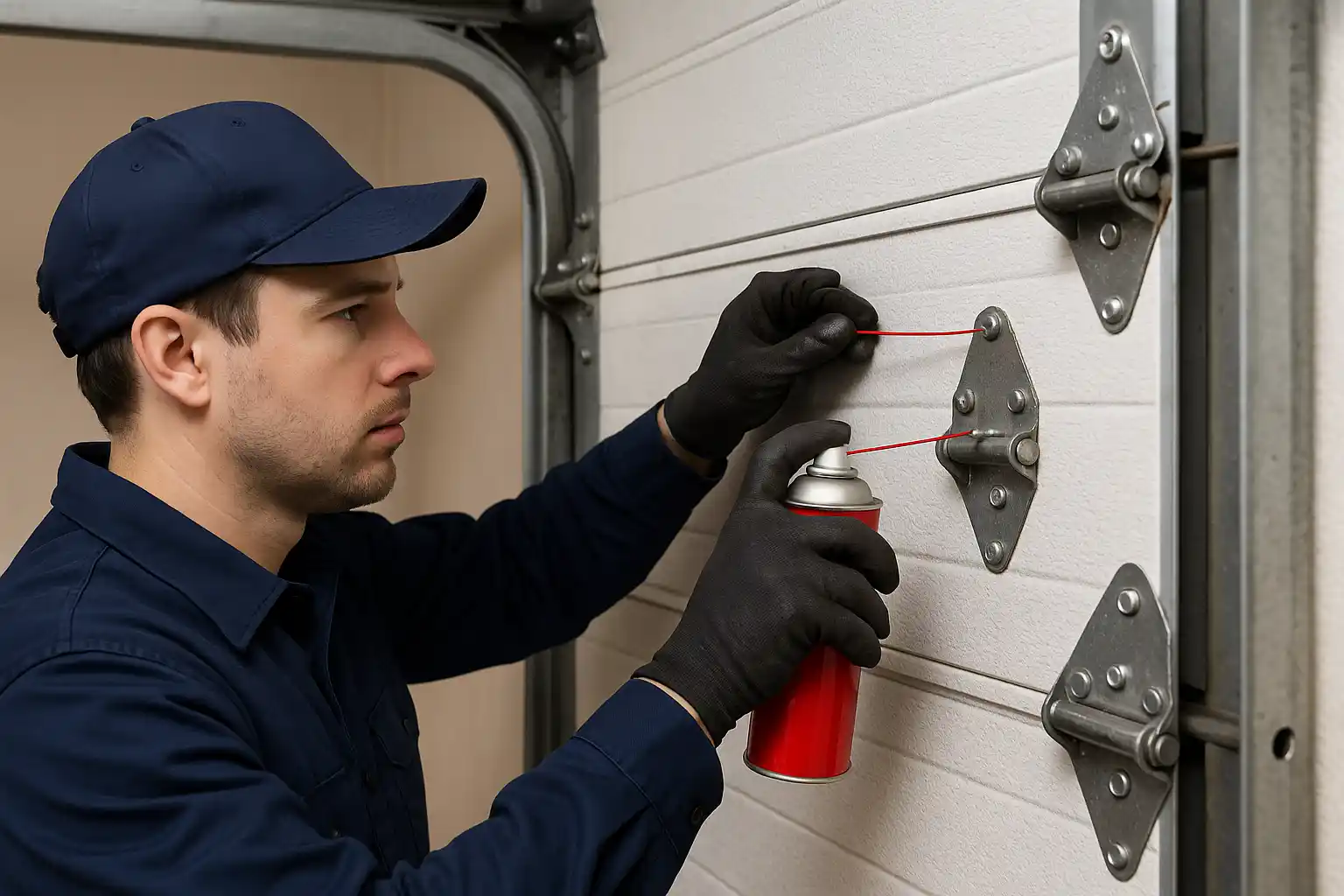
Garage door hinges may be small, but they do a big job every time your door opens and closes. They connect the sections of your garage door, allow the panels to bend as the door moves along the tracks, and help the entire system operate smoothly. When a hinge becomes loose, cracked, rusted, bent, or broken, it can quickly turn into a larger and more expensive garage door repair issue.
For homeowners in Dayton, Beavercreek, Kettering, Centerville, Huber Heights, Xenia, Springboro, and surrounding Ohio communities, catching hinge problems early can help prevent serious damage to the door, opener, rollers, tracks, and panels.

What Do Garage Door Hinges Do?
Garage doors are usually made up of several horizontal sections. These sections need to move together as the door travels from the closed vertical position to the open horizontal position above your garage. Hinges are what allow those sections to bend and move properly.
Each hinge helps connect one section of the garage door to another. Some hinges also hold rollers, which guide the door along the track. This means hinges are not just simple connectors. They are part of the movement system that keeps the door aligned, balanced, and supported.
Every time you use your garage door, the hinges experience movement, vibration, pressure, and weight transfer. Over time, this repeated use can cause screws to loosen, metal to weaken, and hinges to wear down.
Why Loose or Cracked Hinges Are a Serious Problem
A loose hinge might not seem like an emergency at first. You may notice a small rattling noise or see that one hinge looks slightly separated from the door. But ignoring the problem can put extra stress on the rest of the garage door system.
When hinges are loose or cracked, the door sections may not move evenly. This can cause the door to shift, drag, shake, or bind as it opens and closes. The longer this continues, the more likely it is that other parts will begin to fail.
Loose or damaged hinges can lead to:
Uneven door movement
Bent or cracked garage door panels
Roller and track damage
Loud grinding or rattling noises
Extra strain on the garage door opener
Door sections separating
A garage door becoming stuck or unsafe to use
In some cases, a damaged hinge can cause a section of the garage door to sag or twist. Once the panel is damaged, the repair may become more costly than simply replacing or tightening a hinge early.
Common Signs of Garage Door Hinge Problems
Homeowners often do not notice hinge problems until the door starts making noise or moving strangely. The good news is that there are several warning signs you can watch for.
One common sign is a loud rattling, popping, or squeaking sound when the door moves. Garage doors naturally make some noise, but sharp metal sounds or repeated rattling may point to loose hardware.
Another warning sign is visible movement between door sections. If one section appears to shift, flex, or separate more than the others, a hinge may be loose, cracked, or failing.
You should also look for missing screws, rust, bent metal, or cracks around the hinge. If the hinge plate is pulling away from the door, that is a clear sign the hardware needs attention.
Other signs include:
The garage door shakes when opening or closing
One side of the door looks lower than the other
The door catches or jerks during operation
A roller looks loose or angled incorrectly
The opener sounds like it is working harder than normal
The door feels heavier when opened manually
If you notice any of these issues, it is best to stop using the door until it can be inspected. Continuing to operate a door with damaged hinges can make the problem worse.
What Causes Garage Door Hinges to Crack or Loosen?
Garage door hinges can fail for several reasons. One of the most common causes is normal wear and tear. Most homeowners use their garage door multiple times per day. Over months and years, that repeated movement can slowly loosen screws and weaken hinge plates.
Ohio weather can also play a role. Dayton-area homes experience cold winters, humidity, rain, snow, ice, and temperature swings. Moisture can lead to rust and corrosion, especially on older hardware or doors that have not been maintained regularly.
Poor lubrication is another common cause. Hinges need proper lubrication to move smoothly. When hinges are dry, friction increases. That friction can lead to squeaking, grinding, and extra stress on the metal.
Impact, Alignment, and Hardware Wear
Garage door impact can also damage hinges. If a vehicle, lawn equipment, or heavy object bumps the door, the force can bend the hinges or shift the door sections out of alignment.
Other possible causes include:
Loose or missing screws
Old or weakened metal hardware
Poor installation
Misaligned tracks
Damaged rollers
Door sections that are warped or cracked
Excessive opener force
Sometimes the hinge is not the only problem. A cracked hinge may be a symptom of a larger issue, such as a door that is out of balance or tracks that are not properly aligned.
Schedule Garage Door Hinge Repair in Dayton, OH
Can You Use a Garage Door With a Loose Hinge?
It is not recommended to keep using a garage door if you know a hinge is cracked, broken, or pulling away from the door. A slightly loose screw may seem minor, but garage doors are heavy systems under tension and movement. Small hardware problems can become safety risks quickly.
If the hinge is connected to a roller, the issue becomes even more serious. A failing hinge can affect how the roller sits in the track. If the roller shifts too much, the door could bind, come off track, or stop moving correctly.
You should avoid forcing the door open or closed. You should also avoid repeatedly pressing the opener button if the door is shaking, jamming, or making unusual sounds. The opener is designed to move a properly functioning door. It is not designed to force a damaged or misaligned door through the tracks.
Should Homeowners Replace Garage Door Hinges Themselves?
Some homeowners may be tempted to tighten or replace a garage door hinge themselves. In some cases, tightening a loose screw may seem simple. However, garage doors can be dangerous if the wrong parts are removed or if the door is under tension.
Hinges near the lower sections of the door can carry significant weight and pressure. If a hinge is removed incorrectly, the door section can shift. If the door is already damaged, cracked, or misaligned, attempting a DIY repair can make the problem worse.
It is especially important to call a professional if:
The hinge is cracked or broken
The door panel is bent or separating
The hinge holds a roller
The door is off track
The door feels heavy or unbalanced
Multiple hinges are loose
The opener is struggling
You are unsure which hinge type is needed
Professional garage door technicians can inspect the full system, identify the correct hinge size and placement, check related parts, and make sure the door operates safely after the repair.
Why Garage Door Hinge Numbers Matter
Not all garage door hinges are the same. Many sectional garage doors use numbered hinges. These numbers help determine where the hinge belongs on the door and how it positions the roller.
Using the wrong hinge can affect door alignment and movement. Even if the hinge looks similar, the wrong part may cause the door to bind or move unevenly. This is one reason professional service is helpful. A trained technician can match the correct hinge type to the correct door section.
Replacing a hinge is not just about attaching a piece of metal. It is about maintaining proper door movement, roller position, panel spacing, and track alignment.
How Professionals Repair Loose or Cracked Garage Door Hinges
When a technician inspects a garage door with hinge problems, they usually check more than the damaged hinge itself. The goal is to determine whether the hinge failed on its own or because another part of the system is creating stress.
A professional inspection may include checking:
All hinges and screws
Rollers and roller stems
Tracks and track alignment
Door panel condition
Spring balance
Cable condition
Opener force settings
Door movement and spacing
If the hinge is loose but still in good condition, the technician may secure it with the proper fasteners. If the hinge is cracked, bent, rusted, or weakened, it should usually be replaced.
After the repair, the technician should test the door manually and with the opener to confirm smooth, safe operation.
How to Prevent Garage Door Hinge Problems
Routine maintenance can help extend the life of your garage door hinges and reduce the chance of sudden breakdowns.
Homeowners should visually inspect the hinges a few times per year. Look for rust, cracks, missing screws, bent metal, or gaps between the hinge and the door. You should also listen for new noises when the door is moving.
Keeping hinges properly lubricated is also important. Use a garage-door-safe lubricant on metal moving parts as recommended. Avoid overusing heavy grease, which can collect dirt and buildup.
It is also smart to schedule periodic garage door tune-ups. During a professional tune-up, a technician can tighten hardware, lubricate moving parts, inspect rollers and tracks, test the balance, and catch small problems before they become major repairs.
Preventative maintenance is especially valuable before and after Ohio winter weather, when cold temperatures and moisture can be harder on garage door parts.
When to Call Door Service Solutions
If your garage door hinges are cracked, loose, rusted, noisy, or pulling away from the door, do not ignore the issue. A small hinge problem can quickly turn into damaged panels, track problems, opener strain, or a door that will not open or close safely.
Door Service Solutions provides professional garage door repair throughout Dayton, OH and surrounding areas, including Beavercreek, Kettering, Centerville, Huber Heights, Xenia, Springboro, and nearby communities. Whether you are dealing with loose hinges, broken springs, damaged rollers, opener problems, off-track doors, or general garage door maintenance, our team can inspect the system and recommend the right repair.
Final Thoughts
Garage door hinges may be small, but they play a major role in how safely and smoothly your door operates. When hinges become loose, cracked, rusted, bent, or broken, the door can begin to shake, bind, sag, or place extra strain on other parts of the system.
Getting hinge problems repaired early can help prevent damage to panels, rollers, tracks, springs, and the opener. If your garage door is making unusual noises or the hinges look worn, it is best to have the system inspected before the problem gets worse.
Need Same-Day Garage Door Service in the Dayton Area?
If your garage door hinges are loose, cracked, noisy, or pulling away from the door, Door Service Solutions is here to help. Contact us today to schedule a professional inspection and get your garage door moving safely again.
Frequently Asked Questions About Garage Door Hinges
How do I know if my garage door hinge is bad?
Common signs include rattling, squeaking, visible cracks, missing screws, bent metal, uneven door movement, or a door that shakes while opening and closing.
Can a cracked garage door hinge damage the door?
Yes. A cracked or loose hinge can cause the door sections to move incorrectly, which may lead to bent panels, roller problems, track issues, or opener strain.
Is it safe to replace garage door hinges myself?
Because garage doors are heavy and some parts are under tension, it is usually safer to have a professional inspect and repair damaged hinges, especially if the hinge holds a roller or the door is already misaligned.
Why is my garage door making a rattling noise?
A rattling sound may come from loose hinges, loose bolts, worn rollers, track problems, or opener vibration. A professional inspection can identify the exact cause.
How often should garage door hinges be checked?
Homeowners should visually inspect hinges several times per year and schedule routine garage door maintenance at least once a year, especially if the door is used daily.
Schedule Garage Door Hinge Repair in Dayton, OH Today
Serving Dayton, Ohio with reliable repair for cracked hinges, loose hardware, noisy garage doors, damaged rollers, opener strain, off-track doors, and related garage door issues.
Request Service



 Trustindex verifies that the original source of the review is Google.
  Trustindex verifies that the original source of the review is Google.
  Trustindex verifies that the original source of the review is Google.
  Trustindex verifies that the original source of the review is Google.
  Trustindex verifies that the original source of the review is Google.
  Trustindex verifies that the original source of the review is Google.
  Trustindex verifies that the original source of the review is Google.
  Trustindex verifies that the original source of the review is Google.