

Garage Door Repair in Dayton, Ohio
A garage door that will not open, closes unevenly, makes a new grinding or popping sound, or appears damaged may need professional repair. The symptom alone does not always identify the failed part: springs, cables, rollers, tracks, hinges, safety sensors, door balance, and the opener can produce overlapping problems.
Door Service Solutions provides garage door repair for homeowners, businesses, and property managers within its Dayton-area service region. If the door is crooked, off track, unusually heavy, unevenly supported, or associated with visible spring or cable damage, stop operating it and keep people, pets, vehicles, and stored items clear.
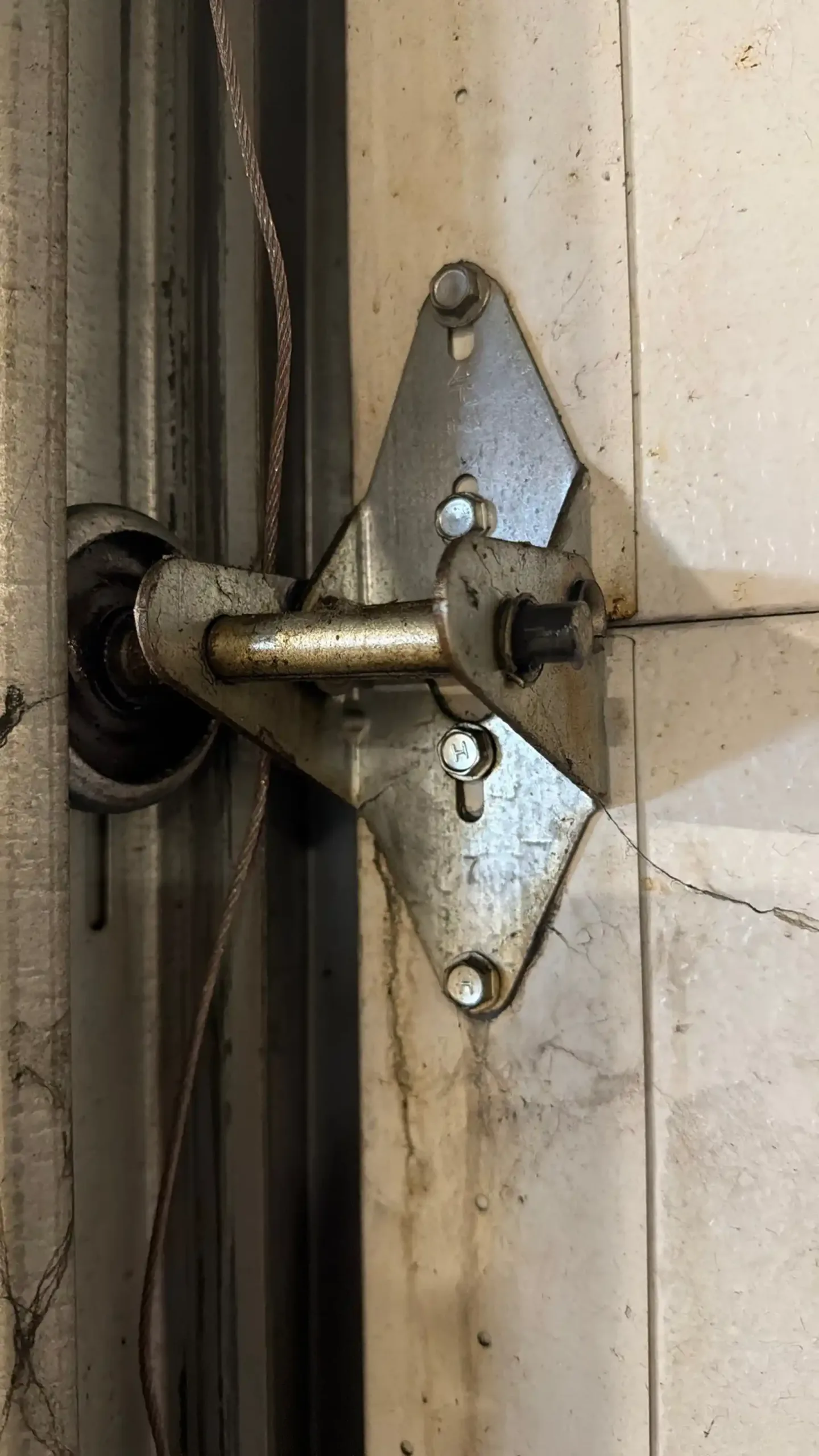
Signs Your Garage Door May Need Repair
Some symptoms point more directly toward damaged hardware, while others require broader diagnosis. Note what the door does, where it stops, and whether the problem began suddenly or gradually.
Conditions That Require You to Stop Using the Door
Stop using the wall control, remote, and keypad when:
- The door is crooked or one side hangs lower than the other.
- A roller has left the track.
- A cable is loose, hanging, frayed, or visibly damaged.
- A spring has a visible gap or appears broken.
- The door shifts unexpectedly or cannot support its position.
- A track, hinge, or bracket appears bent, loose, or damaged.
- The door looks unusually heavy or the opener strains to move it.
Do not stand beneath the door or try to guide it by hand. An unstable garage door can move unexpectedly, especially when part of its counterbalance or supporting hardware has failed.
Symptoms That Need Broader Diagnosis
Noise, slow movement, vibration, incomplete travel, and unexpected reversal do not prove that one particular component has failed. For example, an opener that hums or stops may have an internal problem, but it may also be reacting to resistance caused by a damaged roller, track interference, worn hardware, or a counterbalance issue.
A technician may need to inspect the complete door system before recommending a repair.
Common Garage Door Problems
Broken or Damaged Springs
Garage door springs counterbalance much of the door’s weight. A broken spring may leave the door unable to open, cause the opener to strain, or make the door feel unusually heavy.
Do not use the opener to force a door with a suspected broken spring. Spring selection and adjustment depend on the door’s weight, size, configuration, hardware, and manufacturer requirements. Spring work should be performed with the proper tools and procedures.
Loose or Damaged Cables
Lift cables work with the spring system to help raise and support the door. A loose cable may cause uneven movement, but cable problems can also be associated with spring, drum, track, or hardware issues.
Do not pull, reconnect, cut, or replace a garage door cable. Do not loosen a bottom bracket, because it may be connected to parts under significant tension.
Worn Rollers, Hinges, and Tracks
Worn rollers or hinges can contribute to shaking, scraping, noise, or irregular movement. Track damage, loose hardware, door misalignment, and counterbalance problems can create similar symptoms.
A replacement roller must match the door and track system. Wheel diameter, stem length, bearing design, door weight, hinge configuration, and manufacturer requirements may all affect compatibility.
Nylon rollers may operate more quietly in some systems, while steel rollers may fit particular strength or application requirements, but material alone does not determine the correct choice.
Tracks should remain visibly clean and free of debris. Coating the tracks with lubricant can attract contamination and does not correct bent, loose, or damaged hardware.
Opener and Safety-Sensor Problems
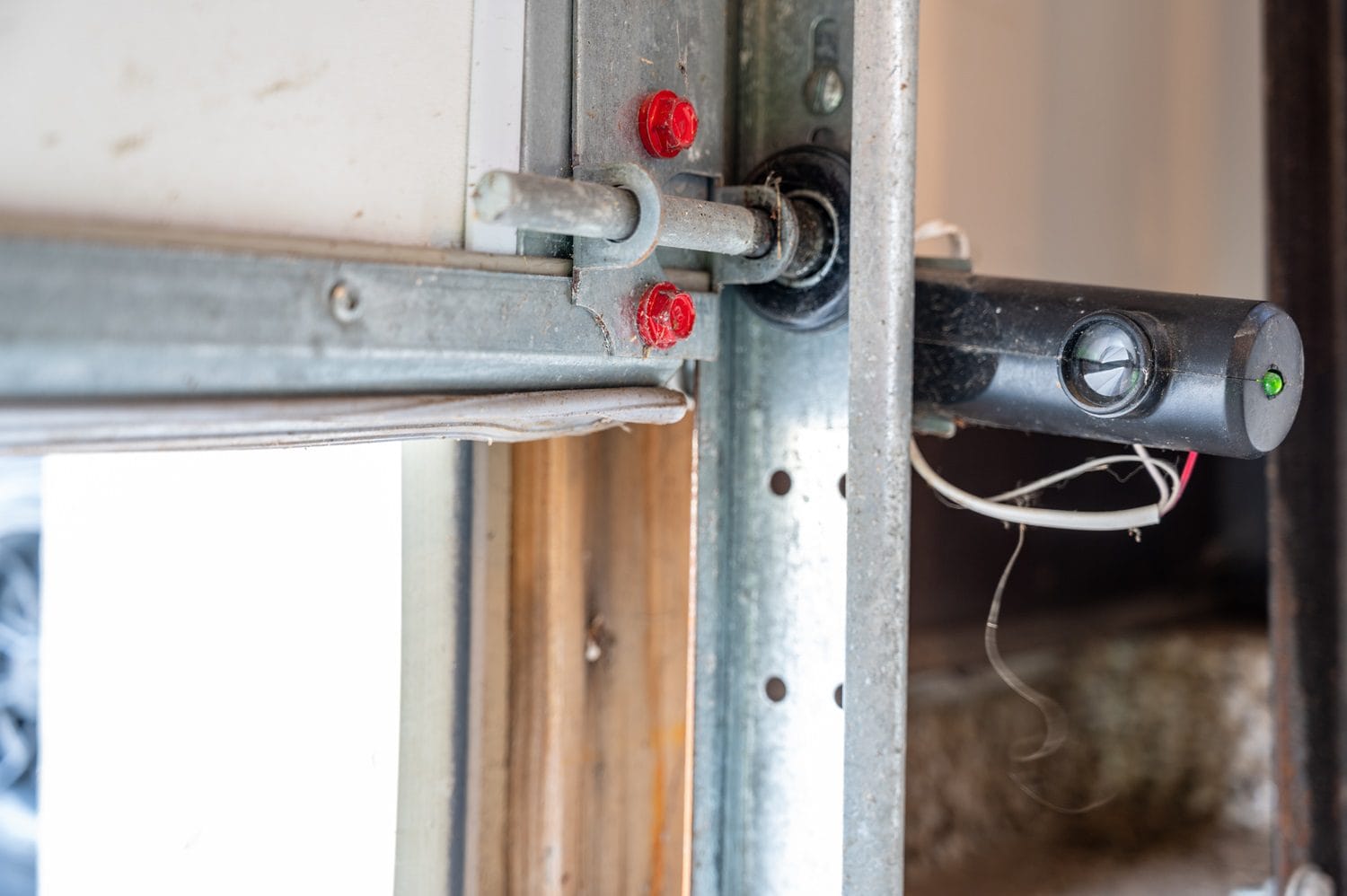
An opener that does not respond may have a power, control, remote, keypad, wiring, motor, or drive-system problem. A door that reverses near the floor may also be responding to a photo-eye obstruction, sensor alignment issue, travel setting, force setting, or resistance within the door.
Homeowners can confirm that the opener has power, replace remote batteries, remove visible obstructions, and observe the photo-eye indicator lights. Internal opener repairs and adjustments that affect door travel or closing force should be evaluated carefully. Door Service Solutions also provides dedicated garage door opener service.
Request a Professional Garage Door Inspection
Repair, Tune-Up, or Replacement
The appropriate service depends on the condition of the door and the source of the problem.
When a Tune-Up May Be Appropriate
A tune-up may help when the door remains stable and functional but has developing noise, minor hardware movement, or maintenance-related wear. Service may include inspecting the system, checking hardware and balance, reviewing safety features, and maintaining applicable moving components according to the door and opener manufacturers’ guidance.
Lubrication cannot repair cracked, seized, bent, loose, or otherwise damaged parts. Nylon roller wheels should not be coated directly with lubricant, and tracks should be kept clean rather than lubricated.
When Repair May Be Appropriate
Repair may be practical when a specific failed or damaged component can be replaced and compatible parts are available. The technician should also determine whether another condition caused or contributed to the failure.
Replacing one visibly damaged part without addressing misalignment, improper balance, track damage, or incompatible hardware can leave the original problem unresolved.
When Replacement May Be More Practical
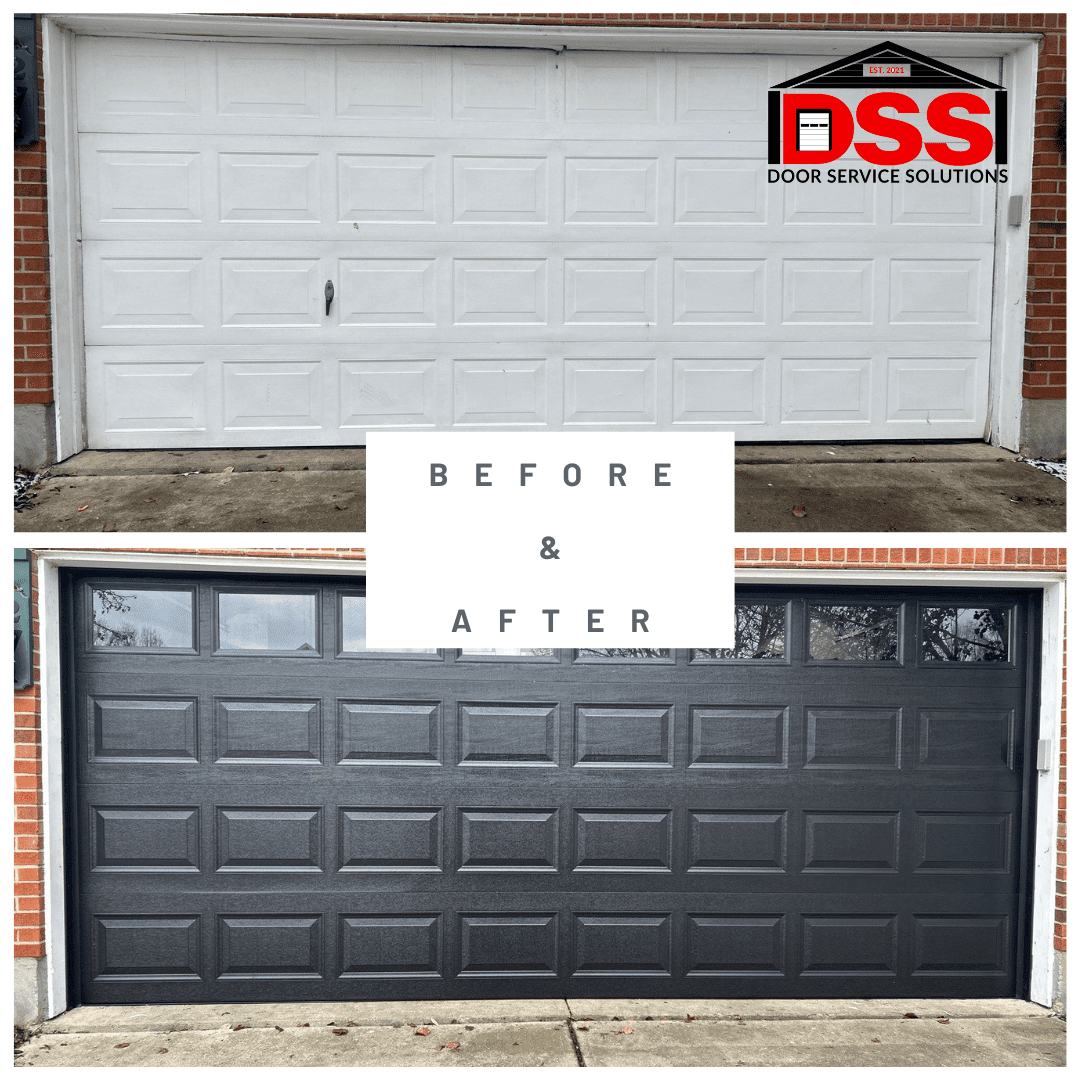
A complete door replacement may deserve consideration when damage affects multiple sections or structural areas, the door is unstable, compatible parts are unavailable, or repair problems keep returning. Changes in appearance, insulation, access, or property use may also influence the decision.
Replacement is not automatically necessary because one component has failed. The decision should reflect the door’s overall condition, repair history, compatibility requirements, and the property owner’s goals.
What a Garage Door Inspection May Cover
Depending on the reported symptom, a technician may examine:
- The door’s position and movement on both sides
- Springs, cables, drums, and other counterbalance components
- Rollers, hinges, tracks, brackets, and fasteners
- Door sections and supporting hardware
- Opener response and drive components
- Photo eyes and other safety-related controls
- Balance, resistance, travel, and alignment
- Part compatibility and possible causes of the failure
Not every service visit requires every component to be replaced. Repair scope should be based on condition, shared wear, compatibility, manufacturer requirements, and whether related parts were affected.
What Affects the Scope of a Garage Door Repair
The work required depends on more than the symptom. Relevant factors can include:
- Which component failed
- Whether the door remains stable and supported
- The door’s size, weight, material, and configuration
- The type of spring, track, roller, hinge, or opener system
- Whether connected components were damaged
- The condition of the door sections and supporting hardware
- Part availability and manufacturer compatibility requirements
- Previous repairs or modifications
An inspection is necessary before confirming the repair approach. This is more reliable than estimating the solution from noise or movement alone.
Safe Checks Before Requesting Service
When the door appears stable, you can safely:
- Confirm that the opener is connected to power.
- Replace remote or keypad batteries.
- Look for an object blocking the door opening.
- Observe the photo-eye lights without moving or rewiring the sensors.
- Listen for the general location and type of sound.
- Note whether the door stops open, closed, or partway.
- Observe visible damage from a safe distance without touching it.
Residential and Commercial Repair Support
Residential garage door repairs commonly involve daily access, safe operation, noise, weather exposure, and dependable opener performance.
Commercial overhead doors may have different hardware, duty cycles, controls, dimensions, and access requirements. Business owners and property managers should also describe how the affected opening is used and whether the problem is interrupting vehicle, loading, employee, or customer access.
Door Service Solutions provides separate commercial garage door services for these applications.
Garage Door Repair Service Area
Door Service Solutions provides repair support within the Dayton-area service region, including Dayton and nearby communities such as Centerville, Kettering, Beavercreek, Miamisburg, Springboro, Huber Heights, Trotwood, Fairborn, Riverside, Vandalia, Englewood, Oakwood, and West Carrollton.
Customers outside these communities should confirm availability for their address when requesting service.
Information to Provide When Scheduling
You do not need to diagnose the failed part before contacting Door Service Solutions. A clear symptom description is more useful than attempting to move or repair the door.
Provide:
- Whether the door is open, closed, or stuck partway
- Whether it sits evenly on both sides
- Whether the wall control, remote, or keypad responds
- Any grinding, scraping, popping, clicking, or straining sound
- When the problem began
- Whether the problem appeared suddenly or developed gradually
- Visible damage you can observe without touching the door
- Whether the opening serves a home, business, or managed property
Garage Door Repair FAQs
Is a noisy garage door always caused by worn rollers?
No. Worn rollers can cause noise, but hinges, tracks, loose hardware, door balance, springs, cables, or the opener may also be involved. The sound’s location and the way the door moves help guide the inspection.
Can I operate my garage door if a spring or cable looks damaged?
No. Stop operating the door and keep the area clear. Do not use the opener, lift the door alone, reconnect a cable, adjust a spring, or loosen the bottom brackets. These parts help control and support a heavy moving door.
Does one failed part mean the entire garage door must be replaced?
Not necessarily. A repair may be appropriate when the door remains structurally sound and a compatible component can correct the problem. Broader replacement may be considered when damage is widespread, the door is unstable, compatible parts are unavailable, or problems continue to return.
Request Garage Door Repair in the Dayton Area
Tell Door Service Solutions where the door stopped, whether it is sitting evenly, how the opener responds, and what visible damage you can observe safely. If the door appears unstable, keep the opening clear and avoid operating it while awaiting service.
Request Garage Door Repair in the Dayton Area
Tell Door Service Solutions where the door stopped, whether it is sitting evenly, how the opener responds, and what visible damage you can observe safely.
Request Garage Door RepairSign Up Here
