

Garage Door Repair in Kettering, Ohio
Garage door repair in Kettering, Ohio may be needed when a door will not close, opens unevenly, shakes, grinds, reverses, or suddenly feels heavy. The visible symptom does not always identify the failed part because the opener, springs, cables, rollers, tracks, and safety sensors work as one system.
This guide helps Kettering homeowners recognize warning signs, complete a few safe visual checks, and understand what a technician may inspect. It also explains when to stop operating the door instead of attempting a do-it-yourself adjustment. If the door is already stuck, crooked, or unsafe, you can request garage door service instead of continuing to operate it.
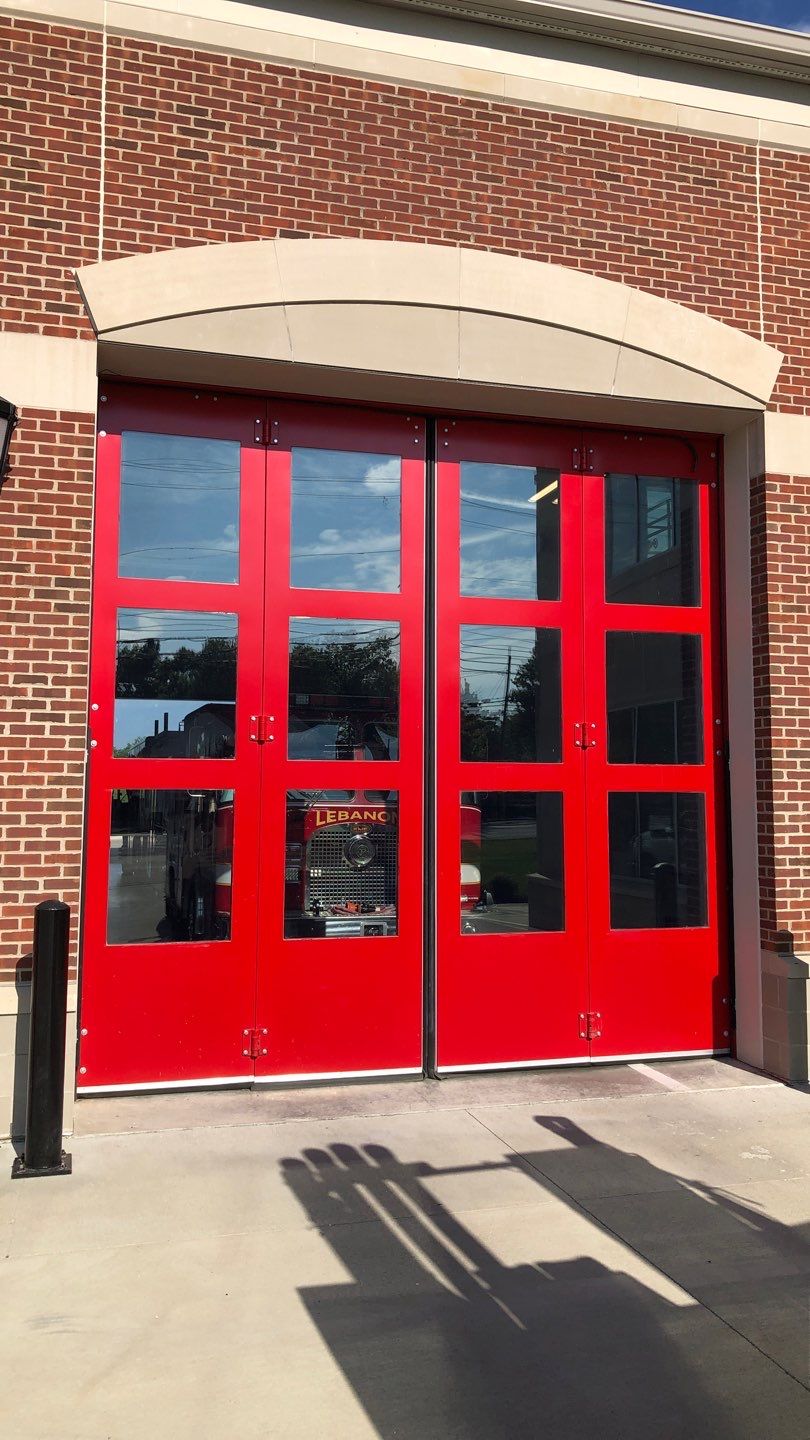
Garage Door Repair in Kettering, Ohio: What an Inspection Covers
A technician begins with the reported symptom and then checks the connected parts that could be contributing to it. A door that will not close, for example, may involve the photo-eye sensors, opener settings, track resistance, damaged rollers, loose hardware, or door balance.
The inspection should determine whether the problem is isolated to the opener or involves the door itself. After identifying the cause, the technician can explain which components need attention and why before repair work begins.
When Kettering Homeowners Should Call for Garage Door Repair
Changes in sound, speed, balance, or movement can provide an early warning. Stop operating the system when the door looks unstable or the opener must force it through the cycle.
Garage door repair when the door will not close
A door that will not close may have dirty or misaligned sensors, a blocked path, track resistance, opener limit issues, or hardware damage. If the door reverses repeatedly, check the sensor area first, then request service if the problem continues.
Repair warning sign: the garage door opens unevenly
Uneven movement can point to spring balance issues, cable trouble, worn rollers, or track problems. If one side appears lower than the other, stop using the opener until the system is checked.
Garage door opener strain or mid-cycle stopping
The opener may need service, but it may also be reacting to resistance elsewhere in the system. Continuing to press the control can place additional strain on the rail, trolley, rollers, and top door section.
A spring or cable appears damaged
A broken spring may leave the door unusually heavy or prevent it from opening. A loose or damaged cable can allow one side of the door to move differently from the other. Do not touch these components or attempt to lift the door with the opener; keep people and vehicles away from the door and request an inspection.
The door is off track or visibly crooked
Stop operating a door that has a roller outside the track, a bent track, or one side sitting lower than the other. Movement can worsen the damage or cause the door to shift unexpectedly.
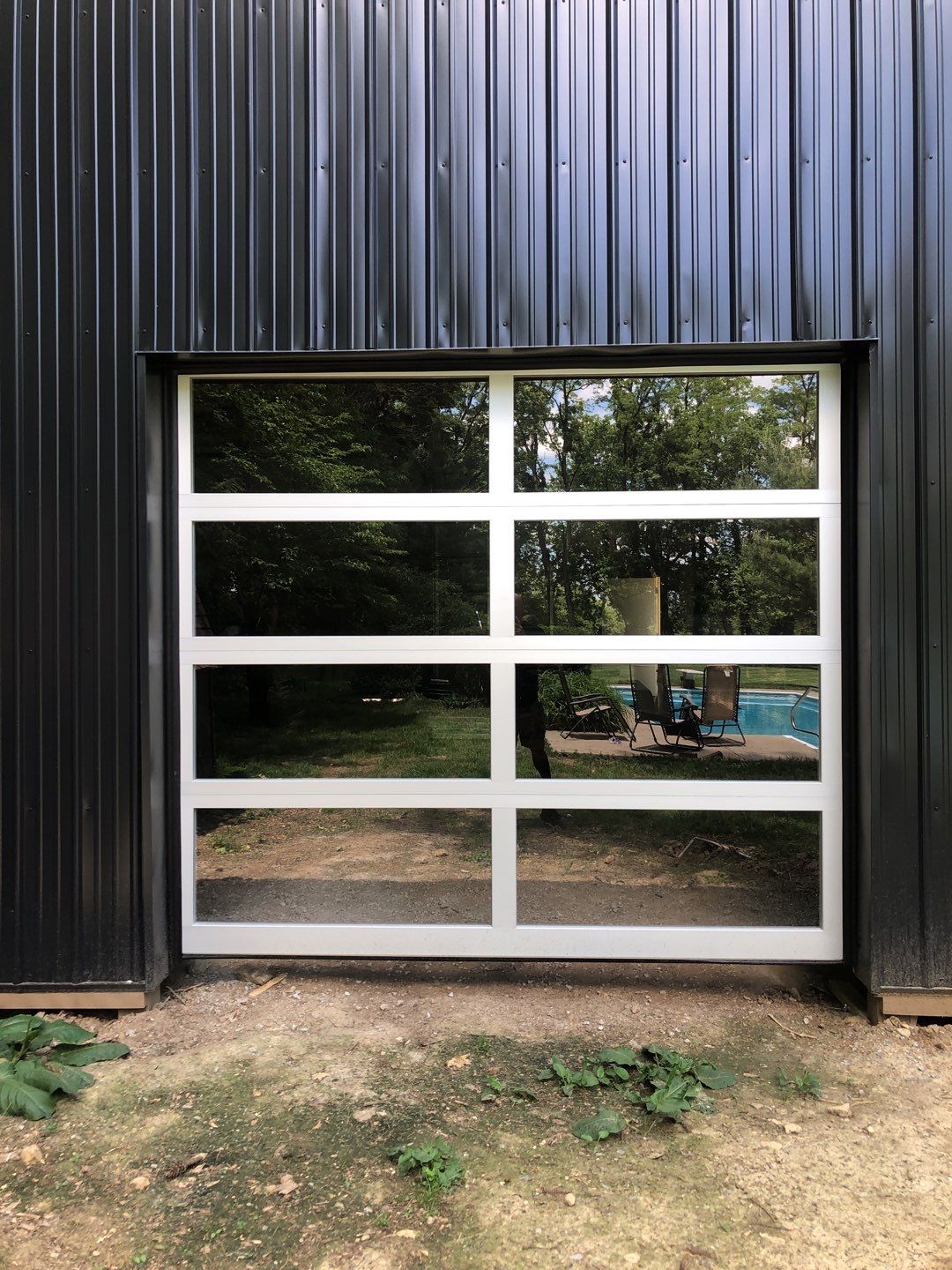
Kettering Garage Door Opener, Sensor, and Hardware Problems
A failed remote, misaligned sensor, or opener setting can interrupt operation, but the opener is not always the source of the problem. Worn rollers, track damage, loose hinges, or poor door balance can also make the opener stop, reverse, or sound strained.
Checking the complete system helps avoid replacing or adjusting an opener when resistance in the door is the underlying cause. Door Service Solutions provides both garage door opener service and complete garage door repair, allowing the inspection to follow the symptom instead of assuming which part failed.
Tell us what the door is doing and where it stopped.
Safe Checks Before Requesting Garage Door Repair
Homeowners can gather helpful information without trying to repair the door. Keep the checks visual and simple. Avoid touching springs, cables, drums, bottom brackets, or any door that feels heavy or unstable.
Helpful checks include:
- Confirm that the opener has power
- Replace remote or keypad batteries if response is inconsistent
- Look for objects near the photo-eye sensors or door path
- Check whether the sensor lights appear aligned
- Watch whether the door moves evenly on both sides
- Listen for grinding, scraping, popping, or opener strain
- Note whether the door is stuck open, closed, or partway
When requesting service, share what you observed, where the door stopped, and whether you heard a new sound. These details can help the service team prepare for the visit, but they are not a substitute for inspection when the door is heavy, unstable, or out of alignment.
What Not to Do Before Garage Door Repair
Do not keep pressing the opener button if the door is stuck or uneven. Repeated opener use can add stress to the rail, trolley, top door section, rollers, cables, and tracks.
Do not try to straighten a track under load, pull a loose cable back into place, adjust spring tension, or lift a heavy door alone. Springs and cables help control door weight and can be dangerous when the system is damaged or out of balance.
Does Your Garage Door Need Repair or a Tune-Up?
Not every concern begins with a sudden failure. Gradual changes such as increased noise, rough movement, loose hardware, dry moving parts, or inconsistent sensor response may be identified during routine maintenance.
A tune-up is generally intended for a door that is still operating but needs inspection and adjustment. A repair visit is more appropriate when a specific failure or safety concern is already present.
- Consider a tune-up: the door still completes a full cycle but has become noisier, rougher, or less consistent.
- Request repair: the door is stuck, crooked, off track, unusually heavy, or unable to complete a cycle.
- Stop using the door: a spring or cable appears broken, a roller has left the track, or the door shifts unexpectedly.
If you are uncertain which type of visit to request, describe the symptoms rather than trying to diagnose the component. The service team can use those details to understand the concern.
Kettering Garage Door Repair FAQs
What information should I provide when requesting service?
Describe what the door is doing, whether it is stuck open or closed, any sound you heard, and whether the opener still responds. Mention visible problems such as a loose cable, uneven door, damaged track, or broken spring without touching those components.
Why does my garage door close and then reverse?
A garage door may close and reverse because of sensor alignment, an obstruction, opener settings, track resistance, or a hardware issue that prevents smooth door movement.
Should I keep using my opener if the garage door is uneven?
No. If the garage door is uneven, stop using the opener and request service because the issue may involve springs, cables, rollers, or track alignment.
Can the opener lift the door if a spring is broken?
Do not rely on the opener to lift a door with a suspected broken spring. The opener is not designed to replace the spring system, and trying to operate the door can add strain or create additional damage.
Is a noisy garage door always an opener problem?
No. Noise can come from the opener, but it may also involve rollers, hinges, tracks, loose hardware, or door balance. The location and type of sound can help guide the inspection.
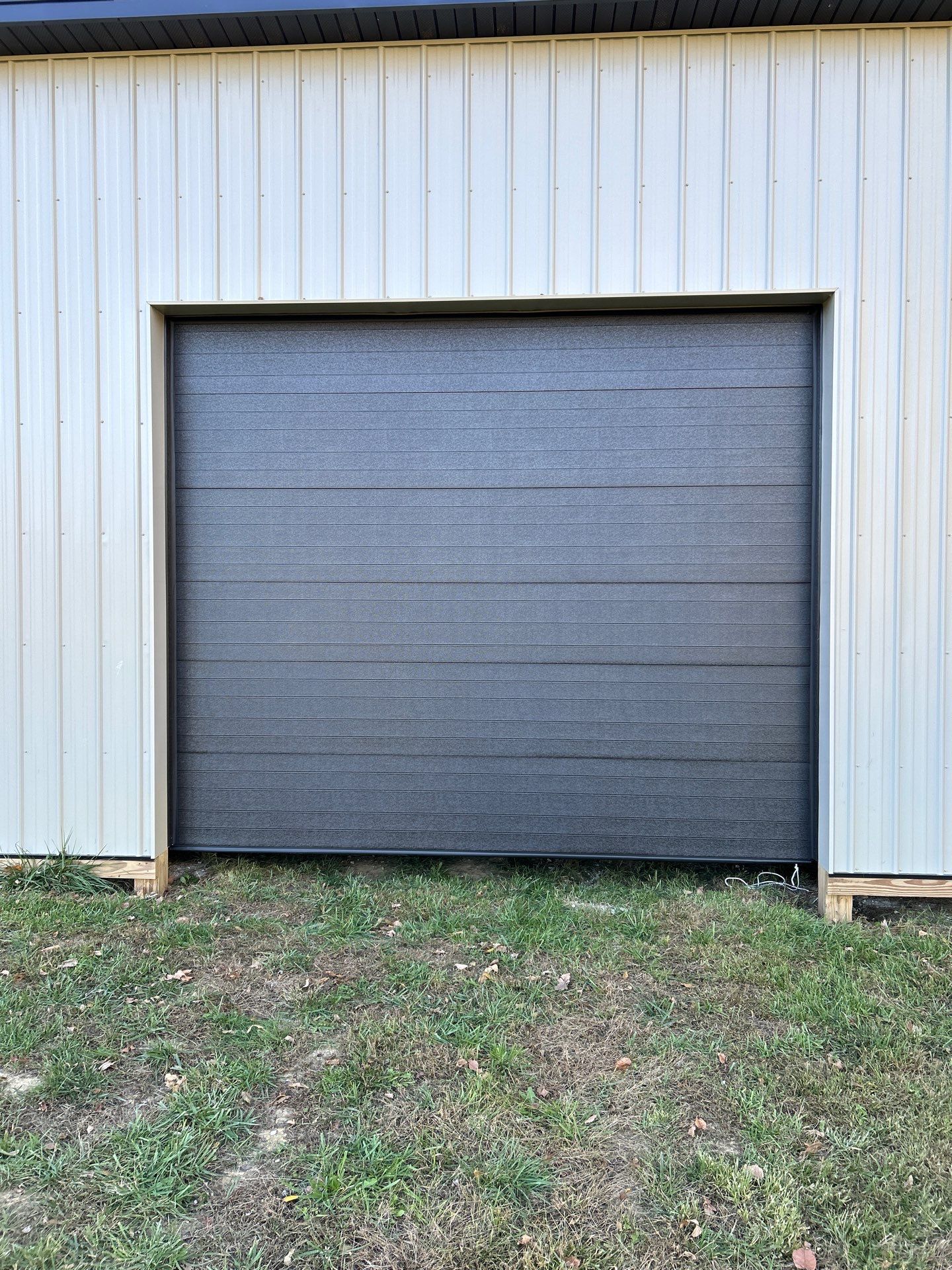
What to Have Ready When Requesting Kettering Garage Door Service
You do not need to identify the failed part before contacting Door Service Solutions. A short description of the symptom is more useful than attempting a repair or forcing the door to move.
- Whether the door is stuck open, closed, or partway
- Whether the wall control, remote, or keypad responds
- Any grinding, scraping, popping, or straining sound
- Visible damage that can be observed without touching the door
- Whether the problem began suddenly or developed gradually
Request Garage Door Repair in Kettering
Tell Door Service Solutions what changed, where the door stopped, and whether you see loose or damaged hardware. If the door is unstable, keep people and vehicles clear and avoid operating it while waiting for service.
Request ServiceWhy Choose Us?
Expertise You Can Trust
Local Expertise
Based in Dayton, Ohio, we’re familiar with the needs of local businesses and committed to supporting our community.
Fast Response Times
We pride ourselves on quick turnarounds for service calls, repairs, and installations—because we know downtime costs you money.
Certified Technicians
Our technicians are trained, certified, and experienced in handling complex door systems, ensuring every project meets code and exceeds expectations.
Turnkey Solutions
Initial consultation to final installation and ongoing support, we handle every phase of your roll-up door needs.