

How to Fix Common Garage Door Problems Safely
To fix a garage door problem safely, begin with low-risk checks: confirm that the opener has power, replace remote or keypad batteries, remove visible obstructions, and gently clean the photo-eye lenses. Stop there if the door is crooked, off track, unusually heavy, unstable, or visibly damaged. Springs, cables, tracks, bottom brackets, loaded hinges, and an unsupported door require professional garage door repair.
The same symptom can have several causes. A door that will not close may have a blocked photo eye, an opener setting issue, track resistance, or damaged hardware. A technician should diagnose the complete system before recommending repair because replacement parts must match the door's weight, track, hardware, configuration, and manufacturer requirements.
Is the Problem With the Door or the Opener?
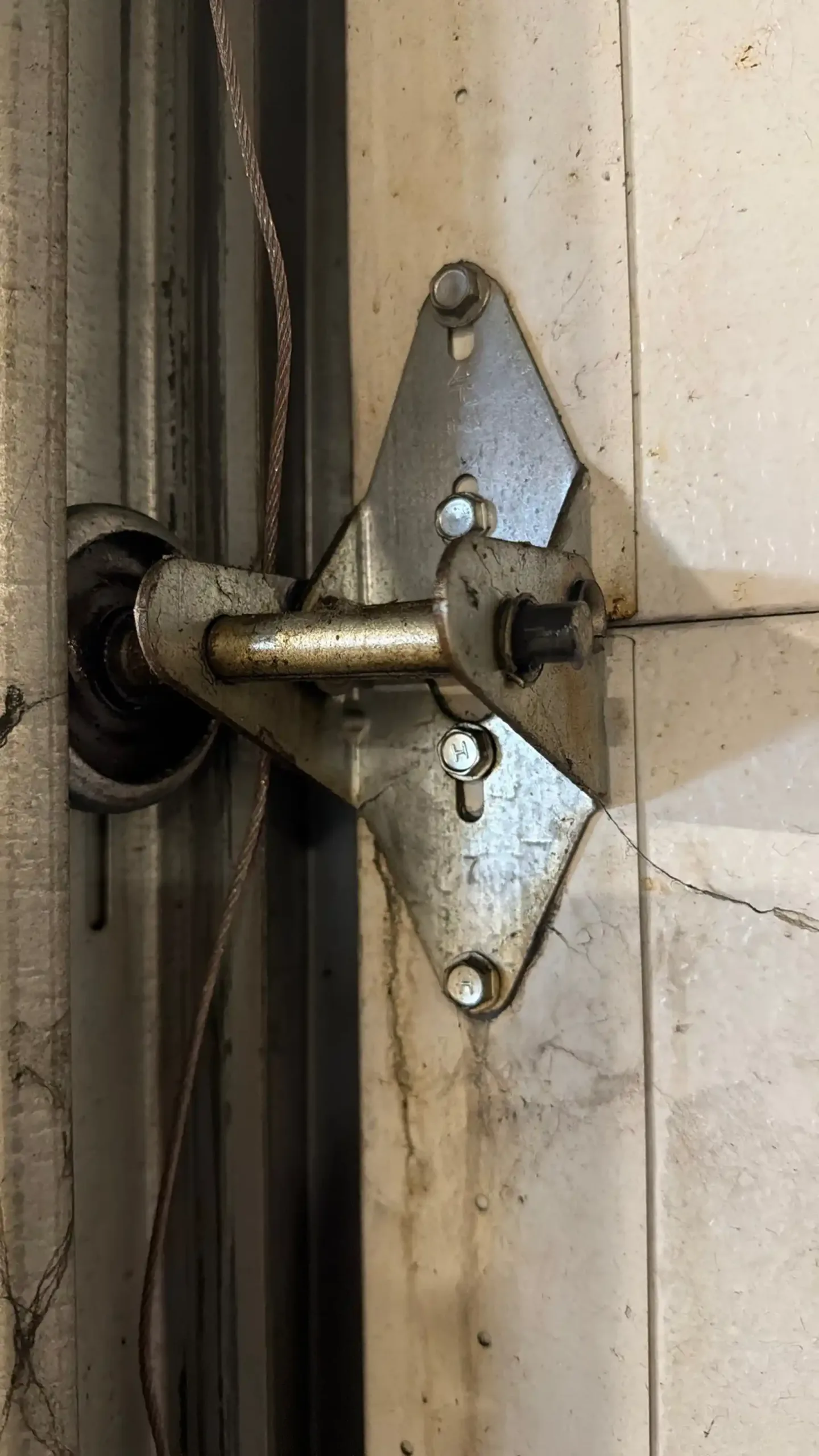
The door includes the panels, springs, cables, rollers, hinges, tracks, and related hardware. The opener uses a motor, rail, drive system, controls, and safety devices to guide a properly functioning door.
An opener that hums or runs does not prove the motor is the source. A broken spring, disconnected component, door resistance, or opener fault can produce similar symptoms. Avoid repeated commands while the cause is unknown.
What Garage Door Checks Can You Perform Safely?
Keep people, pets, vehicles, and stored items away from the opening. Observe the door without touching moving parts, standing beneath it, or entering the path of travel.
- Confirm that the opener is plugged in and check whether its lights or wall control respond.
- Replace the remote or keypad batteries and try the wall control.
- Look for objects blocking the doorway or the photo-eye beam.
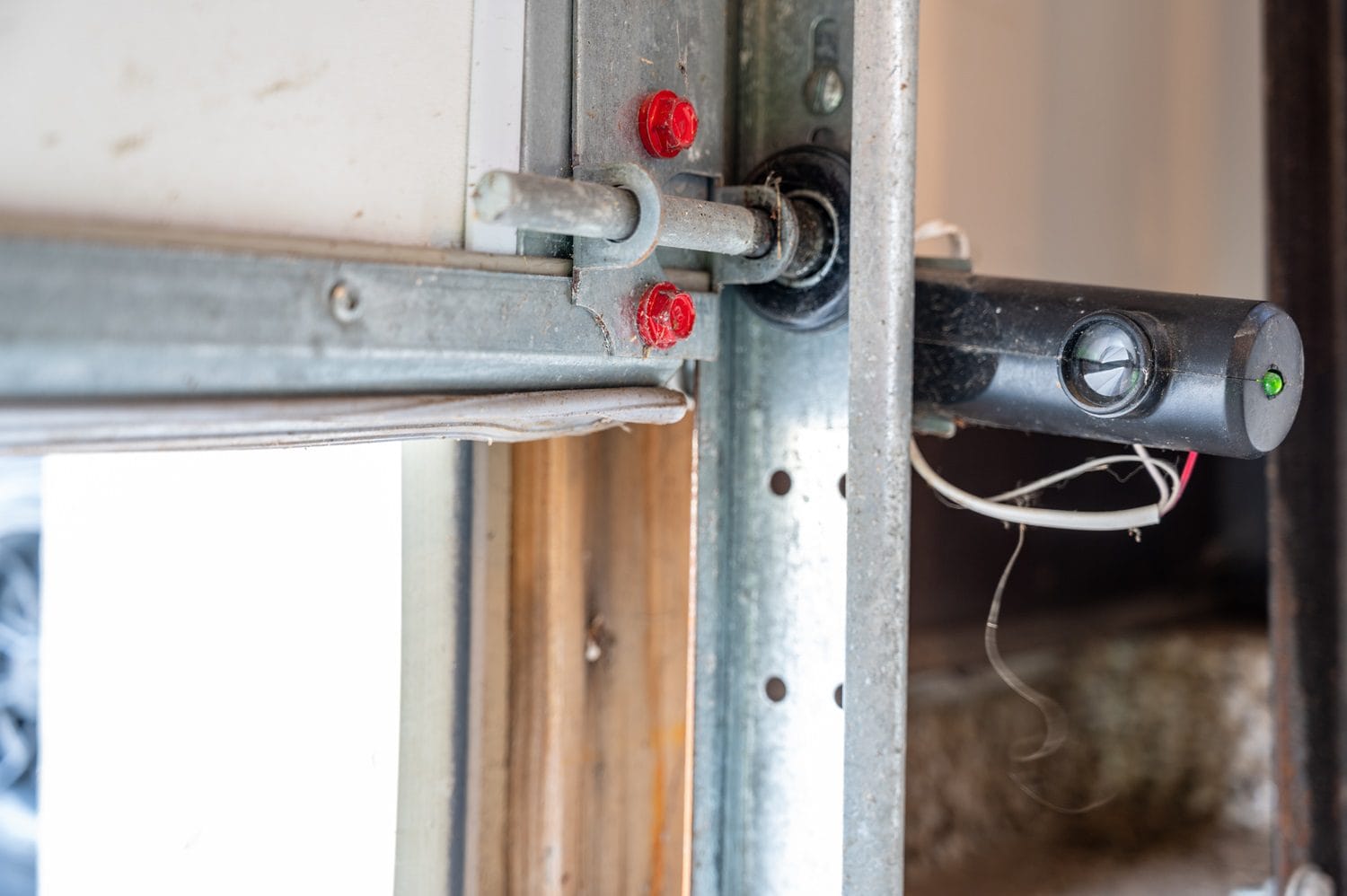
- Gently clean the photo-eye lenses and note whether their indicator lights are on or blinking.
- From a safe distance, watch whether the door moves evenly or becomes crooked, shaky, or stuck.
- Listen for grinding, scraping, popping, or a motor running without movement, and look for visible damage without touching the hardware.
Why Won't the Garage Door Open or Close?
If neither the remote nor wall control responds, check opener power first. If the wall control works but the remote does not, the remote battery, programming, or control may be involved; follow the manufacturer's instructions because procedures differ by model. If the opener responds but the door does not move normally, stop repeated attempts. A spring, cable, roller, track, lock, connection, or opener component may be involved. Do not pull the emergency release or lift a crooked, heavy, stuck, damaged, or unsupported door.
Why Does the Door Start Closing and Reverse?
A visible obstruction, dirty photo-eye lens, interrupted beam, wiring issue, sensor position, travel setting, or mechanical resistance may cause reversal. Remove objects from the opening, clean the lenses gently, and observe the indicator lights. If the opening is clear and the problem continues, arrange service rather than bypassing a safety device or increasing opener force.
What Do Noise and Uneven Movement Mean?
Grinding, scraping, popping, shaking, or uneven travel may be associated with rollers, hinges, tracks, springs, cables, fasteners, panels, or opener strain. Sound alone cannot identify the failed part.
Stop using a door that becomes crooked, shifts unexpectedly, leaves a roller outside the track, or has visible cable or spring damage. Do not straighten loaded tracks or push rollers back into place.
Request a Garage Door Inspection
Why Does the Opener Run Without Moving the Door?
A running opener with no door movement may indicate a drive-system problem, disconnected trolley, broken spring, damaged hardware, or another fault. Do not assume the emergency release only needs reconnection. A technician may inspect:
- Door position, travel, balance, and visible panel condition
- Springs, cables, drums, rollers, hinges, tracks, brackets, and fasteners
- Opener power, rail, trolley, drive components, travel, and controls
- Photo eyes, wiring, indicator lights, and reversal functions
- Part compatibility and the root cause of unusual resistance or movement
- Door and opener operation after approved repairs
Can Lubrication Fix a Noisy Garage Door?
Lubrication may reduce friction on serviceable moving hardware when the door and component manufacturers allow it, but it cannot repair a worn roller, cracked hinge, damaged track, poor balance, or failing spring. Do not coat the tracks with lubricant or spray nylon roller wheels directly. If noise is new, severe, or paired with uneven movement, request diagnosis instead of applying more product.
When Should You Stop Operating the Door?
Stop operation when the door is off track, crooked, unusually heavy, partly unsupported, unexpectedly shifting, or showing visible spring or cable damage. Continuing to run the opener can add force to a damaged system. Leave the door in place, keep the opening clear, and use another entry rather than walking beneath an unstable door.
Garage Door Troubleshooting FAQs
Can I open a garage door manually when the opener stops working?
Do not use the emergency release until the cause and door condition are known. A technician can verify that the door is stable and explain any manufacturer-approved procedure. Never release or lift a crooked, stuck, unusually heavy, off-track, damaged, or unsupported door.
Does a loud pop mean the garage door spring broke?
A loud pop followed by a door that will not lift, appears uneven, or has a visible gap in a spring may indicate spring damage, but diagnosis requires inspection. Stop operating the door and do not touch the spring or cables.
Should I repair the opener or replace it?
The decision depends on the actual fault, opener condition, compatibility with the door, availability of approved parts, safety-function performance, and manufacturer guidance. A technician can determine whether repair addresses the cause or replacement is the more appropriate option.
How Should You Prepare for Garage Door Service?
Tell the service team where the door stopped, whether the opener responds, when the symptom began, what sounds you heard, and what visible damage you observed without touching it. Mention any recent impact, power interruption, or previous repair that may help narrow the diagnosis.
Door Service Solutions provides garage door repair in the Dayton-area service region for homeowners, businesses, and property managers.
What Affects the Scope of Garage Door Repair?
Repair scope depends on the failed component, related hardware condition, door weight and configuration, part availability, compatibility, and any additional damage. A technician should explain the observed problem, compatible repair options, and related findings before work begins.
Request Garage Door Repair
Tell Door Service Solutions where the door stopped, how the opener responds, when the problem began, and what damage you can see safely.
Request ServiceSign Up Here
