

Garage Door Roller Replacement: When Noisy Doors Need New Rollers
Garage door roller replacement may be necessary when a roller is cracked, no longer turns smoothly, wobbles on its stem, or repeatedly binds in or leaves the track. Worn rollers can cause rattling, shaking, scraping, and rough door movement, but similar symptoms may also come from hinges, tracks, springs, cables, or door balance.
Before replacing parts, the complete door system should be inspected to identify where the sound or resistance begins. If the door is crooked, off track, unusually heavy, or supported unevenly, stop operating it and request garage door service.
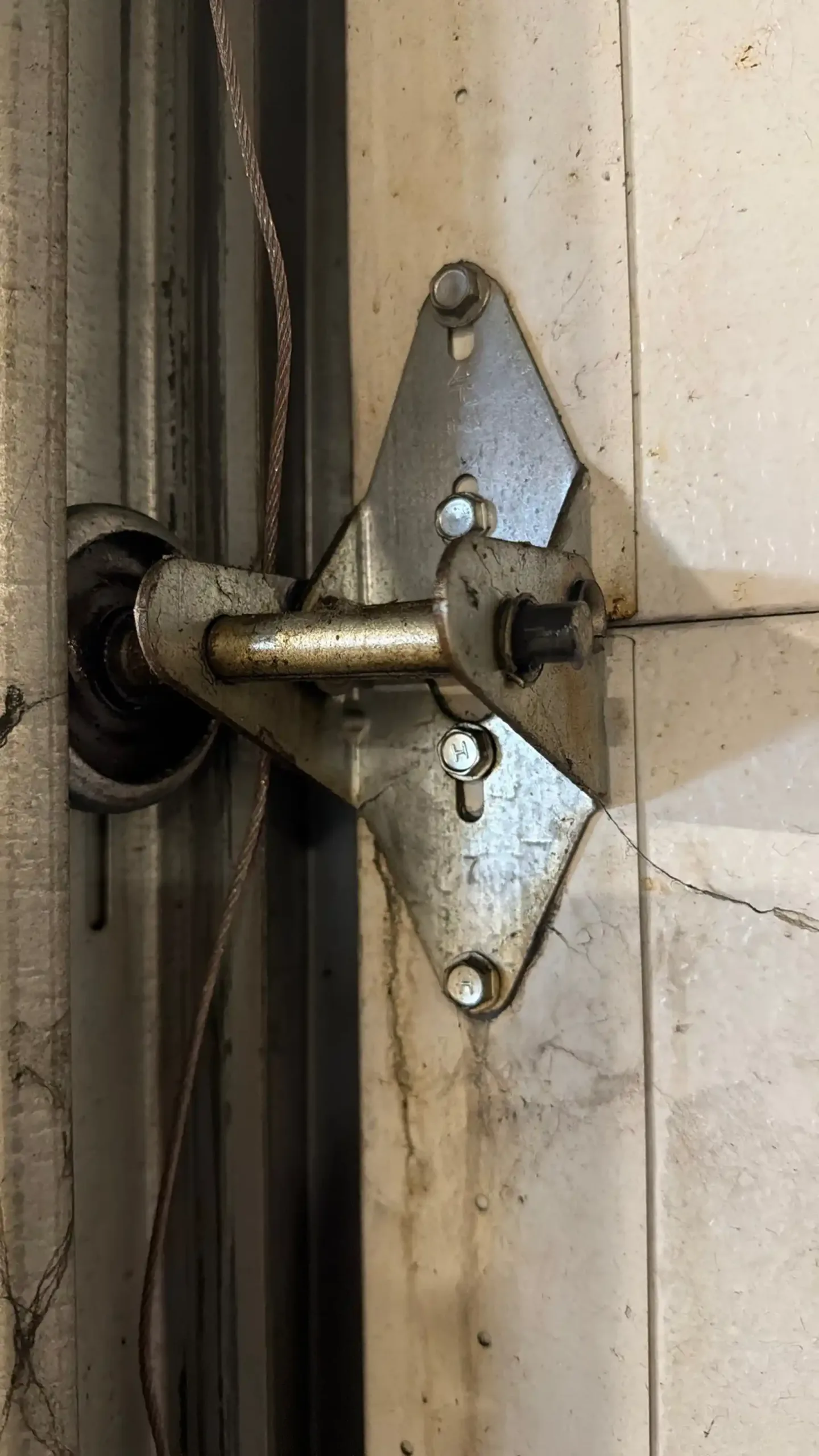
Where Garage Door Rollers Are Located and What They Do
Garage door rollers are positioned along both sides of the door near the hinges. The wheels travel inside the vertical and horizontal tracks while the stems connect the rollers to the door hardware.
Each roller must turn and follow the track as the door changes direction. When the rollers, hinges, and tracks are in suitable condition, the door should travel in a controlled path without excessive vibration or side-to-side movement.
Homeowners can look at visible rollers from a safe distance while the door is stationary. Do not place fingers near the track, hinges, cables, or moving rollers.
Signs That More Directly Suggest Roller Wear
Noise alone does not prove that the rollers need replacement. The following signs provide stronger evidence that a roller itself may be worn or damaged:
- A cracked, chipped, flattened, or visibly misshapen roller wheel
- A roller that slides instead of turning through the track
- Visible wobbling or excessive movement around the roller stem
- A roller that repeatedly binds at the same point in the track
- A roller that has moved outside the track
- Repeated shaking or clattering concentrated near one hinge and roller position
Do not push a roller back into the track, loosen track brackets, or remove a hinge while the door is under load. A roller that has left the track can be part of a larger alignment, cable, or door-support problem.
Symptoms That Require a Broader Garage Door Inspection
Some symptoms may involve the rollers but do not identify them as the cause. Uneven lifting, a heavy door, opener strain, popping near a hinge, or scraping along one track should prompt a system-wide inspection.
Springs, cables, hinges, tracks, fasteners, opener settings, and door balance can all affect how the rollers move. Replacing a roller without correcting track damage or alignment may leave the original problem unresolved.
Nylon, Steel, and Bearing-Style Garage Door Rollers
Garage door rollers are available in different materials and configurations. Nylon rollers are often selected when quieter movement is a priority, while steel rollers may be used where durability and door requirements call for them. Roller designs may also differ in their bearing construction, wheel diameter, stem length, and intended load.
The best replacement is not simply the quietest or most expensive roller. The part must be compatible with the door, hinges, track, weight, and manufacturer requirements. A technician should compare the existing hardware and door movement before selecting a replacement.
When Garage Door Noise Comes From Something Else
The location and timing of a new sound can help narrow the cause. Scraping along one side may involve the track or door alignment. Popping near a hinge may involve hardware movement. A strained opener may be reacting to resistance elsewhere in the door.
A door that feels unusually heavy, lifts unevenly, or has a loose cable needs more than a roller inspection. Door Service Solutions provides complete garage door repair and garage door opener service so the diagnosis can follow the symptom instead of assuming which part failed.
Tell us where the sound or movement begins.
Can a Worn Garage Door Roller Be Repaired?
A nearby loose fastener, hinge concern, or track obstruction may sometimes be corrected without replacing the roller. A roller that is cracked, seized, excessively loose, misshapen, or unable to turn properly is generally a replacement concern rather than a maintenance adjustment.
The inspection should also determine why the roller wore, bound, or left the track. If a damaged track, loose hinge, door alignment problem, or balance issue caused the symptom, replacing the roller alone may not restore smooth movement.
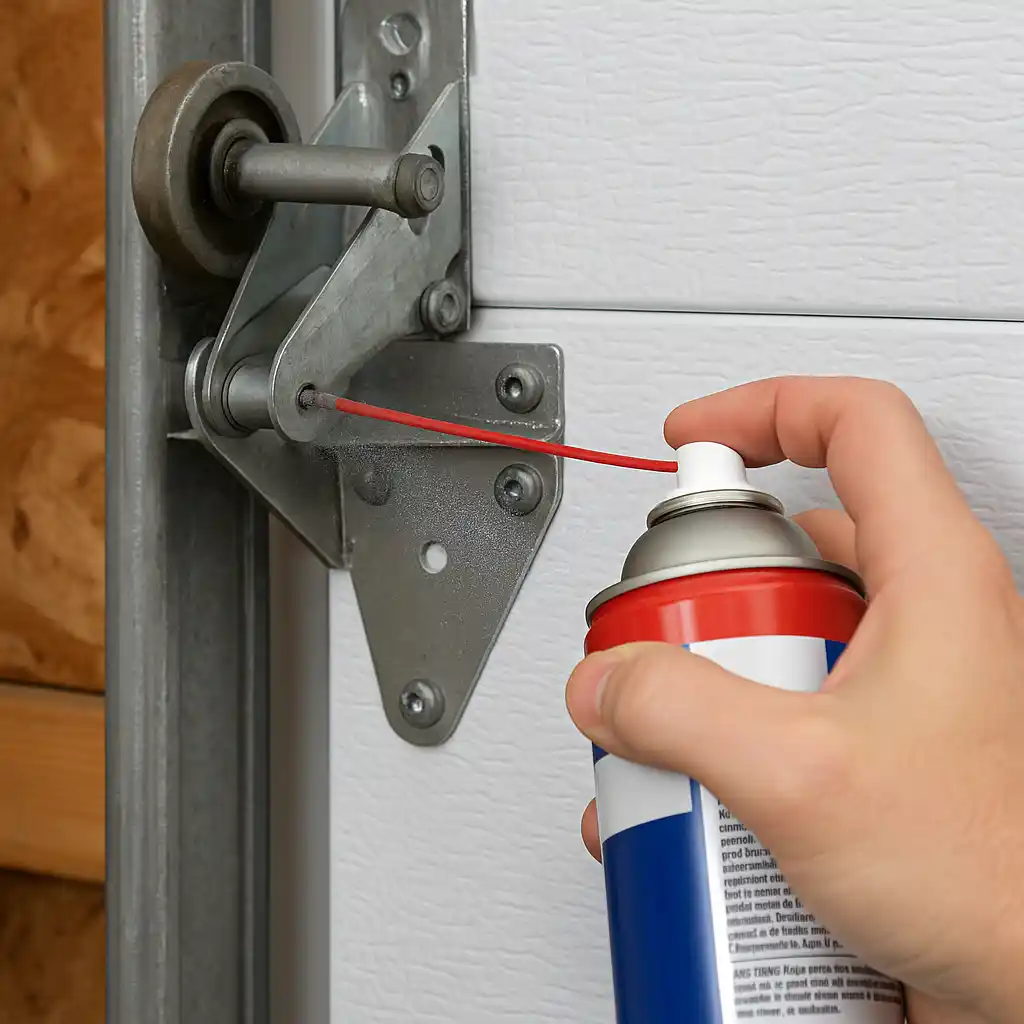
Will Lubrication Fix Noisy Garage Door Rollers?
Appropriate maintenance may reduce friction when the roller and related hardware remain serviceable, but lubrication cannot restore a cracked wheel, seized bearing, damaged hinge, bent track, or loose stem. Maintenance should follow the door or roller manufacturer's guidance because roller designs differ.
Keep the tracks clean and free of visible obstructions. Avoid coating parts indiscriminately or placing hands near rollers, hinges, springs, cables, or tracks while the door is moving.
Do All Garage Door Rollers Need to Be Replaced Together?
One damaged roller does not automatically prove that every roller has failed. However, rollers installed at the same time may show similar wear, and the remaining rollers should be inspected for cracks, binding, looseness, and compatibility.
The recommendation should consider the condition of each roller, how the door travels, the age and compatibility of the hardware, and whether related track or hinge damage is present. Incompatible roller sizes or configurations should not be mixed simply because a wheel fits inside the track.
What Happens During a Garage Door Roller Inspection?
If it is safe to operate the door, a technician may observe where the sound, vibration, or resistance occurs. The inspection then works outward from that symptom to determine whether the roller is the cause or is reacting to another problem.
A roller inspection may include:
- Observing the door's travel, sound, and alignment
- Checking roller wheels, stems, and nearby hinges for visible wear
- Reviewing tracks and fasteners for damage or alignment concerns
- Watching for binding, shaking, uneven travel, or excessive play
- Checking cables, springs, and opener response for related symptoms
- Matching replacement rollers to the door and existing hardware
- Testing door travel after service to confirm smooth movement and check for remaining resistance
Garage Door Roller Replacement or a Tune-Up?
A tune-up may be appropriate when the rollers remain serviceable but the door needs inspection, manufacturer-appropriate lubrication, hardware checks, or adjustment. Replacement is the practical choice when a roller is physically damaged, excessively worn, loose, seized, or unable to turn properly.
- Consider a tune-up: the door completes a full cycle and the rollers remain intact, but movement has become gradually noisier or rougher.
- Request roller service: a roller is cracked, wobbling, binding, sliding, or visibly damaged.
- Stop using the door: a roller has left the track, the door is crooked or unusually heavy, or a spring or cable appears damaged.
What Affects the Cost of Garage Door Roller Replacement?
The repair scope can depend on the roller material and configuration, the number of rollers that need replacement, the door's size and weight, and the condition of the hinges and tracks. Alignment problems or damage involving cables, springs, or other hardware can also change the recommended work.
An inspection is more reliable than estimating from noise alone because the same sound may come from a serviceable roller, a damaged track, loose hardware, or resistance elsewhere in the system. Ask whether the estimate covers the identified rollers, related hardware, testing, and any additional repair recommendations.
Garage Door Roller Replacement FAQs
How do I know whether my garage door rollers are worn?
Look for a cracked or misshapen wheel, a roller that slides instead of turning, visible wobbling, binding at the same position, or a roller outside the track. Noise and shaking can support the diagnosis but may also come from other components.
Do noisy garage doors always need new rollers?
No. Worn rollers are one possible cause, but hinges, tracks, springs, cables, loose hardware, door balance, and the opener can also create noise.
Can I replace a garage door roller myself?
Roller replacement can require removing hinges or working near cables and other parts of a heavy, tensioned door system. A technician should assess and complete the repair, especially when the door is unstable, off track, or supported unevenly.
Do all garage door rollers need to be replaced at once?
Not automatically. The decision should be based on the condition and compatibility of the full roller set, how the door moves, and whether rollers installed at the same time show similar wear.
What is the difference between nylon and steel garage door rollers?
Nylon rollers are often associated with quieter movement, while steel rollers may be selected for durability and specific door requirements. Material is only one factor; wheel size, stem length, bearing construction, door weight, and hardware compatibility also matter.
Can new rollers make a garage door quieter?
New rollers may reduce noise when worn rollers are the source. They will not correct noise caused by track damage, loose hinges, poor door balance, springs, cables, or opener problems.
Can worn rollers damage a garage door track?
A binding, tilted, or damaged roller can contribute to rough track movement and additional hardware stress. The track should be inspected for existing damage or alignment concerns before and after roller replacement.
What to Have Ready When Requesting Roller Service
You do not need to identify the failed part before contacting Door Service Solutions. A short description of the symptom is more useful than forcing the door or attempting to remove hardware.
- Where the noise, shaking, or resistance begins
- Whether the symptom occurs on one side or throughout the cycle
- Whether the door is stuck open, closed, or partway
- Any visible roller, hinge, or track damage observed without touching it
- Whether the problem began suddenly or developed gradually
Request Garage Door Roller Service
If the door is shaking, scraping, binding, or moving roughly, tell Door Service Solutions where the symptom begins and whether the door still completes a full cycle. If the door is crooked, off track, or unusually heavy, stop operating it while waiting for service.
Request Service


 Trustindex verifies that the original source of the review is Google.
  Trustindex verifies that the original source of the review is Google.
  Trustindex verifies that the original source of the review is Google.
  Trustindex verifies that the original source of the review is Google.
  Trustindex verifies that the original source of the review is Google.
  Trustindex verifies that the original source of the review is Google.
  Trustindex verifies that the original source of the review is Google.
  Trustindex verifies that the original source of the review is Google.
 Why Choose Us?
Expertise You Can Trust
Local Expertise
Based in Dayton, Ohio, we’re familiar with the needs of local businesses and committed to supporting our community.
Fast Response Times
We pride ourselves on quick turnarounds for service calls, repairs, and installations—because we know downtime costs you money.
Certified Technicians
Our technicians are trained, certified, and experienced in handling complex door systems, ensuring every project meets code and exceeds expectations.
Turnkey Solutions
Initial consultation to final installation and ongoing support, we handle every phase of your roll-up door needs.