Garage Door Hinges Explained: Why They Matter for Smooth and Safe Operation
Garage doors are made up of multiple moving parts working together to open and close smoothly. While most homeowners focus on springs and openers, one of the most overlooked — yet critical — components is the hinge system.
In this guide, we’ll break down Garage Door Hinges Explained, including what they do, how they wear out, and when it’s time to repair or replace them.
If you live in Dayton, Ohio or surrounding areas, understanding hinge function can help you prevent costly repairs and keep your door operating safely year-round.
What Are Garage Door Hinges?
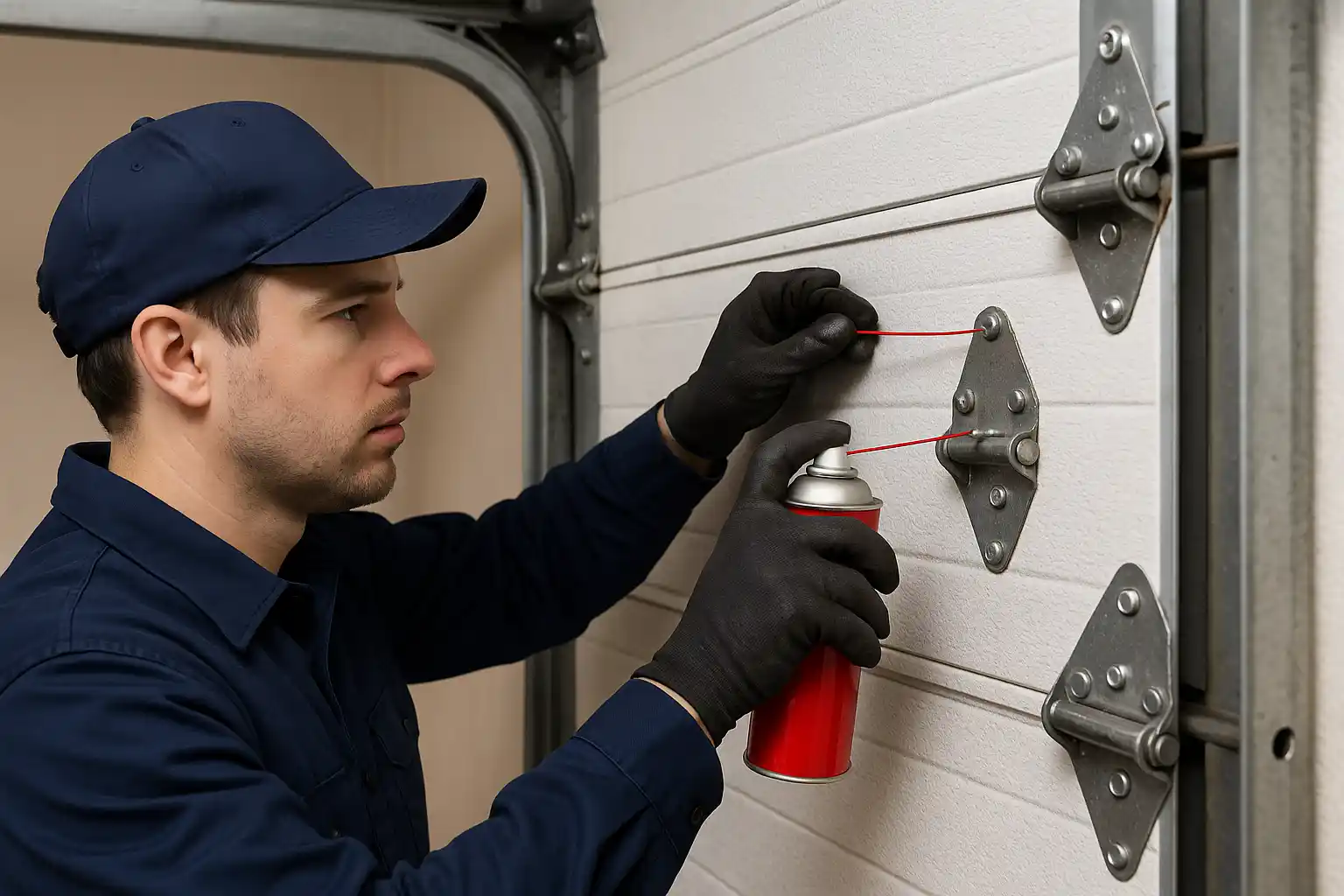
Garage door hinges are the metal components that connect each panel of your garage door. As the door opens and closes, these hinges allow the panels to bend and move along the track system.
Without properly functioning hinges, your garage door would not be able to transition from a vertical position to horizontal overhead movement.
What Hinges Actually Do
- Connect individual door panels
- Allow smooth bending as the door travels
- Help guide the door along the track
- Maintain alignment during operation
In simple terms, hinges are what make your garage door flexible enough to function properly.
Why Garage Door Hinges Are So Important
Many homeowners assume the garage door opener does all the work. In reality, the system relies on multiple components working together — and hinges play a major role in that movement.
When hinges are in good condition, your door:
- Opens smoothly
- Stays aligned in the tracks
- Produces minimal noise
- Experiences less strain on other parts
When hinges start to fail, it can quickly lead to bigger issues like off-track doors, damaged panels, or even complete system failure.
Common Signs of Worn or Failing Hinges
Hinges don’t typically fail overnight. Instead, they show warning signs that homeowners can catch early.
Here are the most common indicators that your garage door hinges need attention:
1. Loud Clicking or Popping Sounds
If you hear clicking, popping, or grinding noises when your door moves, worn hinges may be the cause. Metal fatigue or loose connections can create noise during operation.
2. Door Panels Shifting or Jerking
Your garage door should move in a smooth, controlled motion. If you notice panels shifting unevenly or jerking, it could indicate hinge wear or misalignment.
3. Visible Cracks or Damage
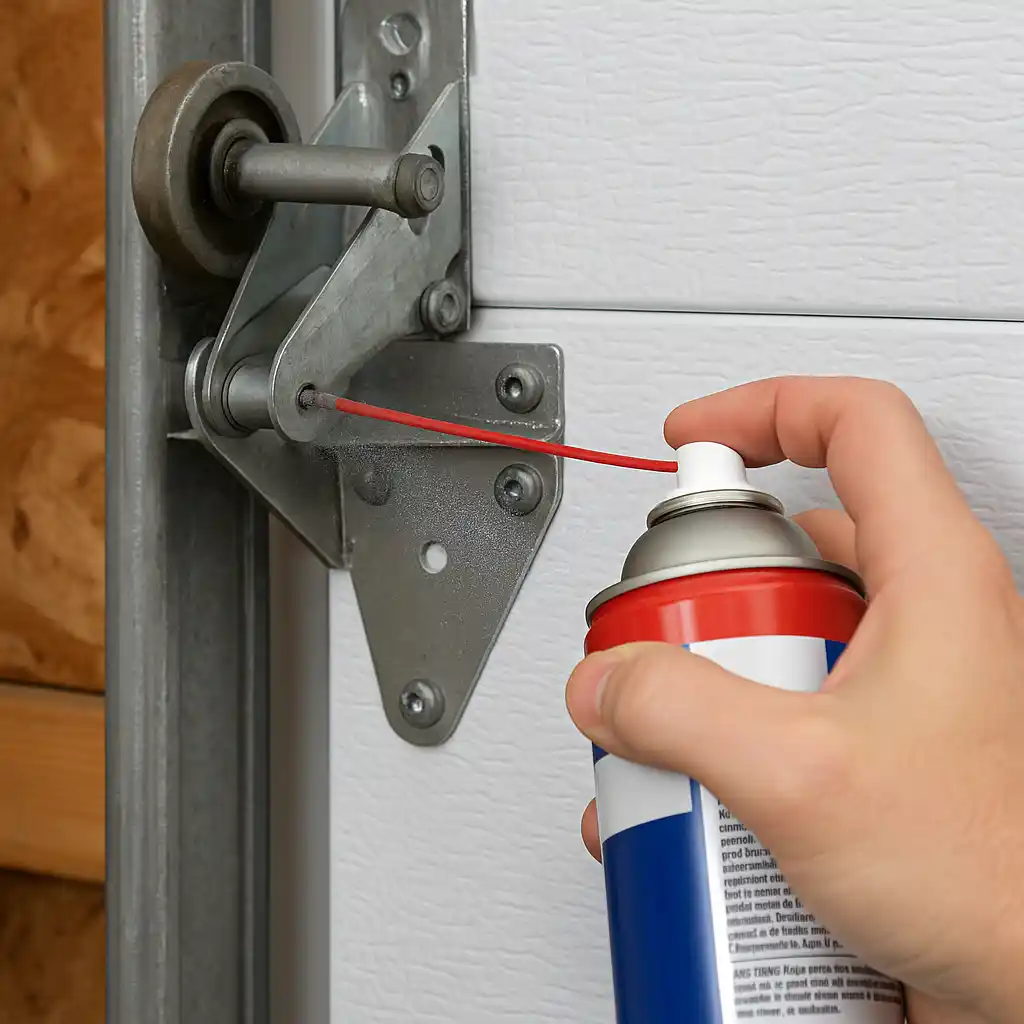
Inspect your hinges visually. If you see cracks, bending, or rust, it’s a clear sign they are weakening and may fail soon.
4. Loose or Missing Hardware
Hinges are secured with bolts and screws. Over time, these can loosen, causing instability in the door system.
5. Door Not Closing Properly
If your garage door doesn’t close evenly or appears crooked, hinge problems could be affecting alignment.
Schedule Garage Door Hinge Repair in Dayton, OH
What Causes Garage Door Hinges to Wear Out?
Like any mechanical component, hinges experience wear over time. However, certain conditions can accelerate the process.
Common causes of hinge damage include:
- Daily use and normal wear
- Lack of lubrication
- Exposure to moisture and rust
- Temperature changes, especially Ohio winters
- Improper installation or low-quality materials
In Dayton and surrounding areas, seasonal weather changes play a big role in metal expansion and contraction, which can weaken hinges over time.
Types of Garage Door Hinges
Not all hinges are the same. Garage doors use different hinge types depending on the panel position.
Numbered Hinges
Hinges are typically labeled with numbers such as #1, #2, and #3. These numbers correspond to where they are placed on the door.
- #1 Hinges: Bottom section
- #2 Hinges: Middle sections
- #3+ Hinges: Upper sections
Each hinge is designed for a specific angle and movement range.
End Hinges
These are located on the sides of the door and often include roller attachments that guide the door along the track.
Heavy-Duty Hinges
Heavy-duty hinges are used for larger or heavier doors, especially commercial garage doors.
Can You Repair Garage Door Hinges Yourself?
While it may seem like a simple fix, hinge repair can be more complex than it appears.
DIY risks include:
- Improper alignment that can damage panels
- Using the wrong hinge type and affecting door movement
- Working near tension systems like springs, which can be dangerous
For minor issues like tightening loose bolts or applying lubricant, DIY is usually safe. However, if hinges are cracked, bent, or causing operational issues, professional repair is recommended.
How Professionals Fix Garage Door Hinges
When a technician inspects your garage door hinges, they don’t just replace the part — they evaluate the entire system.
A typical service includes:
- Inspecting all hinges for wear
- Checking panel alignment
- Tightening or replacing hardware
- Lubricating moving parts
- Testing door balance and movement
If one hinge has failed, it’s common for others to be close behind. A full inspection helps prevent repeat service calls.
Preventative Maintenance: How to Extend Hinge Life
Regular maintenance is the best way to avoid unexpected breakdowns.
Simple maintenance tips include:
- Lubricate hinges every 3–6 months
- Visually inspect for cracks or rust
- Tighten loose bolts
- Schedule annual professional tune-ups
Preventative maintenance not only protects hinges but also extends the life of your entire garage door system.
When Should You Replace Garage Door Hinges?
Garage door hinges should be replaced when:
- Cracks or structural damage are visible
- Noise persists after lubrication
- Door movement becomes uneven
- Panels begin misaligning
Delaying hinge replacement can lead to more expensive issues, including damaged tracks or panels.
Why This Matters for Dayton Homeowners
In a competitive market like Dayton, Ohio, homeowners often wait until something breaks before calling for service. But hinge issues are one of the easiest problems to catch early and fix affordably.
Local factors like cold winters, humidity, and frequent daily use all contribute to faster wear on garage door components.
That’s why regular inspections and early repairs are critical for avoiding emergency situations.
Professional Garage Door Hinge Repair in Dayton, OH
If your garage door is making noise, moving unevenly, or showing signs of wear, it’s best to have it inspected before the problem gets worse.
At Door Service Solutions, we provide:
- Same-day garage door repairs
- Hinge replacement and adjustments
- Full system inspections
- Preventative maintenance services
We serve Dayton and surrounding areas, helping homeowners keep their garage doors operating safely and reliably.

Final Thoughts
Understanding Garage Door Hinges Explained gives you insight into one of the most important — yet overlooked — parts of your garage door system.
While small in size, hinges play a major role in smooth operation, proper alignment, and long-term durability.
By staying proactive with maintenance and addressing issues early, you can avoid costly repairs and extend the life of your garage door.
FAQ: Garage Door Hinges
How long do garage door hinges last?
Most hinges last 10–15 years with proper maintenance, but heavy use or harsh weather can shorten their lifespan.
Can a broken hinge damage my garage door?
Yes. A broken hinge can cause misalignment, leading to panel damage or track issues.
Are all garage door hinges the same?
No. Hinges are numbered and designed for specific positions on the door.
How much does hinge replacement cost?
Costs vary depending on the number of hinges and labor, but replacing hinges is typically more affordable than larger repairs.
Schedule Garage Door Hinge Service in Dayton, OH Today
Serving Dayton, Ohio and surrounding areas with professional garage door hinge repair, maintenance, and inspections.
Request Service



 Trustindex verifies that the original source of the review is Google.
  Trustindex verifies that the original source of the review is Google.
  Trustindex verifies that the original source of the review is Google.
  Trustindex verifies that the original source of the review is Google.
  Trustindex verifies that the original source of the review is Google.
  Trustindex verifies that the original source of the review is Google.
  Trustindex verifies that the original source of the review is Google.
  Trustindex verifies that the original source of the review is Google.