Why Does My Garage Door Start to Close, Then Go Back Up?
Few garage door problems are more frustrating than a door that starts to close, only to reverse and go right back up. For many homeowners, this issue seems to come out of nowhere. The opener works, the remote responds, and the door begins moving like normal, but instead of closing all the way, it suddenly changes direction.
This is one of the most common garage door problems homeowners face. In many cases, the issue is tied to a safety feature doing exactly what it was designed to do. In other situations, it can point to a problem with the door’s hardware, opener settings, or track alignment. Either way, a garage door that starts to close then goes back up should not be ignored. It can leave your home unsecured, interrupt your daily routine, and sometimes signal wear in other parts of the system.
For homeowners in Dayton, Ohio and nearby communities, garage doors deal with year-round use, temperature swings, dust, moisture, and normal wear on moving components. All of that can contribute to closing problems over time.
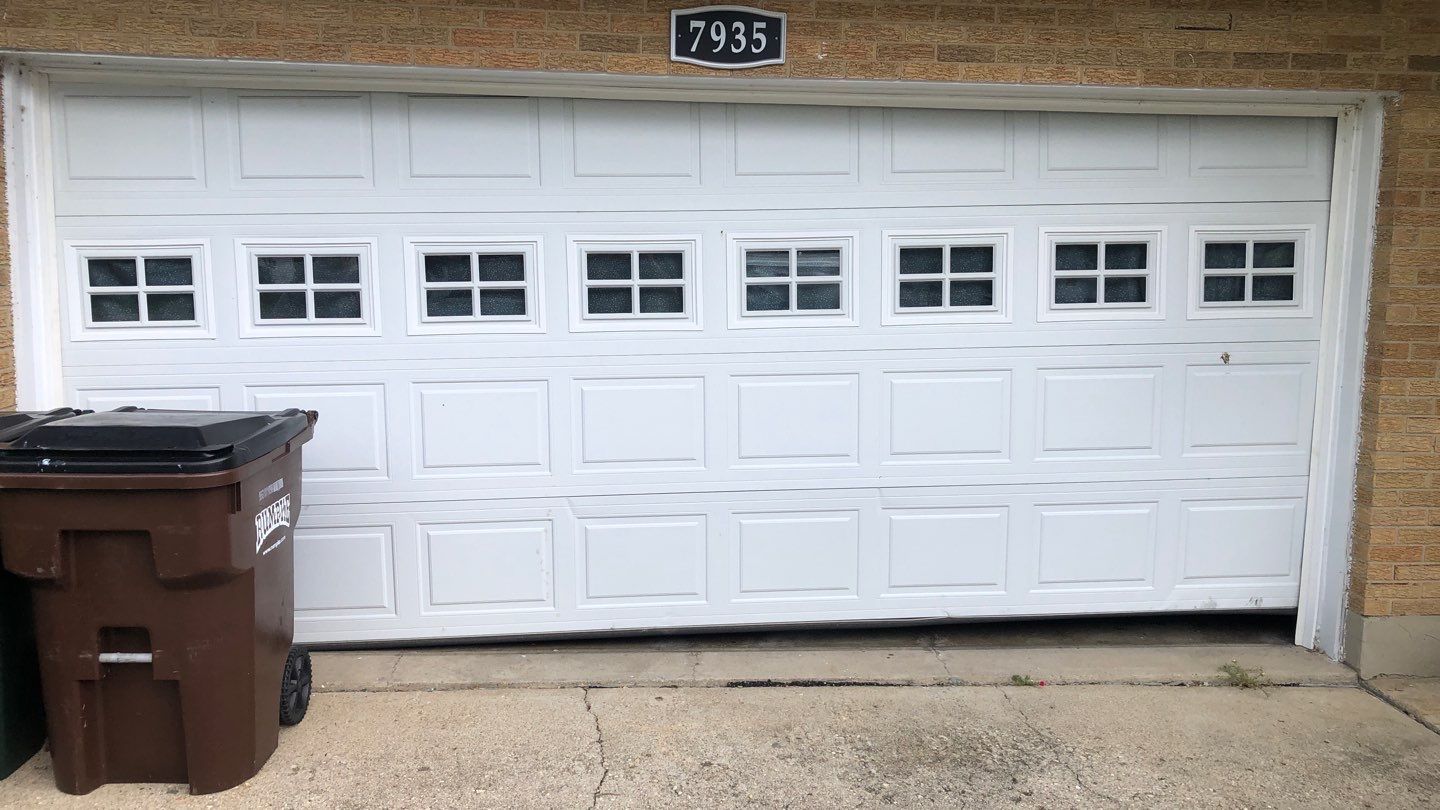
Why Garage Doors Reverse Before Closing
Modern garage doors are designed with built-in safety systems. If the opener senses something in the door’s path or feels too much resistance while closing, it may stop and reverse. This helps prevent injury and damage, but it also means even a small issue can stop the door from closing properly.
If your garage door starts down and then goes back up, the system is usually detecting one of the following:
A sensor problem
Resistance in the track or rollers
Incorrect opener force or travel settings
An issue with the springs or door balance
Debris or an obstruction near the floor
The trick is figuring out which one is causing the problem.
Misaligned Safety Sensors
The most common reason a garage door reverses before closing is a sensor issue. The safety sensors are mounted near the bottom of the tracks, usually a few inches off the ground. These sensors send an invisible beam across the opening. If that beam is blocked or interrupted, the door will not close.
Sometimes the issue is obvious, like a trash can, bike tire, or storage item in the doorway. Other times, it is more subtle. Dirt on the lens, loose brackets, bumped sensors, or sunlight hitting the sensor at the wrong angle can all interfere with the beam.
Signs of a sensor issue often include blinking sensor lights, inconsistent closing, or a door that only closes if you hold the wall button down. Homeowners sometimes think the opener is failing when the real problem is simply that the sensors are not lined up correctly.
Cleaning the sensor lenses and checking for anything blocking the beam is a good first step. But if the lights still do not look normal or the problem continues, the sensors may need adjustment or replacement.
Dirt, Debris, or Objects Near the Bottom Seal
Sometimes the garage door is reversing because it is meeting resistance near the ground. Even a small object in the path of the door can trigger the opener’s safety response. Leaves, sticks, packed dirt, or built-up debris near the threshold can interfere with closing.
This is especially common in Ohio when garages collect road salt, wet leaves, mud, or winter buildup. If the bottom seal cannot sit flat against the floor because something is in the way, the opener may interpret that resistance as an obstruction and send the door back up.
Homeowners should check the area where the door meets the floor and make sure the threshold is clear. If the surface is uneven or the concrete has shifted, that can also affect how the door closes.
Travel Settings Need Adjustment
Garage door openers use travel settings to control how far the door moves while opening and closing. If those settings are off, the opener may think the door has hit the floor too early or may not know where to stop. That can cause the door to reverse even when there is nothing in the way.
Travel setting issues often happen gradually. The door may first start reversing once in a while, then become more consistent over time. In other cases, the problem begins after an opener repair, replacement, or adjustment.
While some openers have simple adjustment dials or digital controls, this is not something every homeowner feels comfortable doing. If the settings are adjusted incorrectly, it can make the problem worse or create unnecessary strain on the system.
Closing Force Is Set Too Sensitive
Another common issue is the opener’s force setting. The force setting controls how much resistance the opener will tolerate before stopping or reversing. If it is set too low, even normal resistance from the door moving through the tracks can cause the opener to reverse.
A force setting that is too sensitive may make the door seem unreliable. One day it works normally, the next day it will not stay closed. This is sometimes caused by minor wear in the rollers or tracks, colder temperatures, or changes in door balance that make the opener work harder than usual.
Force settings should be adjusted carefully. They are part of the opener’s safety system, so setting them too high is not the answer either. If the opener has to push too hard to close the door, there may be an underlying mechanical problem that should be fixed instead.
Schedule Garage Door Repair in Dayton, OH
Worn Rollers or Track Problems
A garage door should move smoothly through its tracks. If the rollers are worn, the tracks are bent, or hardware has loosened over time, the door may not glide properly. When that happens, the opener can detect the added resistance and reverse the door before it finishes closing.
This kind of issue often comes with other warning signs. You may hear squeaking, grinding, rubbing, or shaking during operation. The door may look uneven as it moves, or it may hesitate at certain points during the closing cycle.
Track and roller problems are very common in older garage door systems. They may start as a minor nuisance and slowly turn into a bigger problem. Catching them early can help prevent more expensive repairs later.
The Door Is Out of Balance
If the springs are worn or the door is no longer balanced properly, the opener may struggle during operation. Even though the problem shows up while closing, the real cause may be that the door’s weight is not being supported correctly throughout the system.
A door that is out of balance can create inconsistent movement, extra strain on the opener, and repeated reversing. This is one of those problems homeowners may not notice until the opener begins acting up.
Other signs of an unbalanced door include:
The door feels unusually heavy
It does not move smoothly
It slams shut or stops abruptly
One side appears lower than the other
The opener sounds like it is straining
A balance issue should not be ignored. Springs and related hardware are under high tension, and this is not a safe DIY repair.
Weather Can Play a Role
Dayton homeowners also deal with changing weather that affects garage door systems. Cold temperatures can stiffen lubricants, cause metal parts to contract, and make aging rollers or hinges operate less smoothly. Moisture, debris, and seasonal grime can also affect the sensors and lower door seal.
Sometimes a problem that only shows up during colder mornings or wet weather is a sign that a component is already wearing out. Weather may not be the root cause, but it can expose a weakness in the system.
What Homeowners Can Check First
Before calling for service, there are a few simple things homeowners can safely inspect:
Make sure nothing is blocking the sensor beam
Wipe the sensor lenses clean
Look for blinking sensor lights
Check for debris near the bottom of the door
Listen for unusual grinding or rubbing sounds
Watch whether the door looks uneven while moving
These quick checks can sometimes point to the source of the problem. But if the issue continues, it is best not to keep forcing the opener to run.
When to Call a Professional
A garage door that starts to close and then reverses is often more than just a small inconvenience. If the issue is not solved by clearing the area and cleaning the sensors, the system likely needs a closer inspection.
You should call a professional if:
The door keeps reversing for no clear reason
The sensor lights will not stay steady
The opener hums or strains during closing
The door shakes, jerks, or looks uneven
You hear grinding, squeaking, or popping
The problem keeps coming back
Trying to guess your way through opener settings or force adjustments can create new issues if the real cause is mechanical. A trained technician can identify whether the problem is with the sensors, opener, tracks, springs, or another part of the system.
Reliable Garage Door Repair in Dayton, OH
If your garage door starts to close and then goes back up, there is usually a reason. In many cases, the issue can be fixed quickly once the source of the problem is identified. Whether it is a sensor alignment issue, opener setting problem, worn rollers, or a balance issue, getting it repaired early can help prevent more damage and restore dependable operation.
Final Thoughts
A garage door that begins to close and then reverses is not something homeowners should ignore. In many cases, the problem comes from safety sensors, opener settings, or resistance somewhere in the system. In other situations, it can point to worn rollers, track issues, or balance problems that need repair.
If your garage door is acting unpredictably, getting the issue checked early can help restore safe, reliable performance and prevent added wear on the opener and other hardware.
Need Help With a Garage Door That Will Not Stay Closed in Dayton, OH?
If your garage door starts to close then goes back up, Door Service Solutions is here to help. We provide professional garage door repair in Dayton, OH and surrounding areas for sensor issues, opener adjustments, track problems, worn hardware, and more. Contact us today to schedule an inspection and get your garage door working properly again.
Schedule Garage Door Repair in Dayton, OH Today
Serving Dayton, Ohio with reliable repair for garage doors that reverse before closing, sensor issues, opener problems, uneven movement, and related garage door repairs.
Request Service



 Trustindex verifies that the original source of the review is Google.
  Trustindex verifies that the original source of the review is Google.
  Trustindex verifies that the original source of the review is Google.
  Trustindex verifies that the original source of the review is Google.
  Trustindex verifies that the original source of the review is Google.
  Trustindex verifies that the original source of the review is Google.
  Trustindex verifies that the original source of the review is Google.
  Trustindex verifies that the original source of the review is Google.